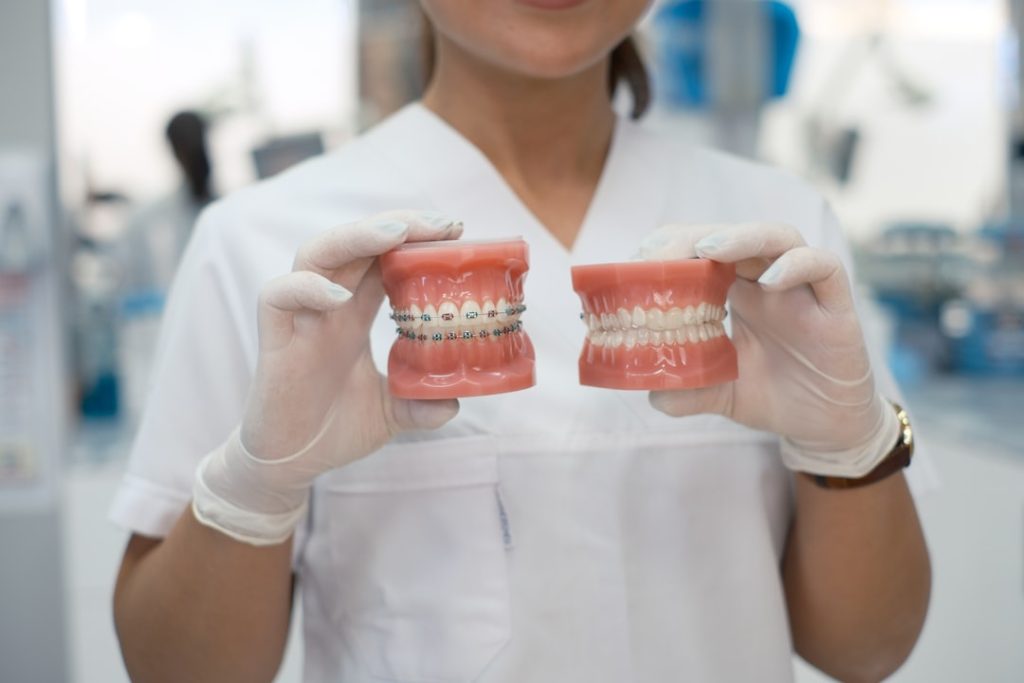
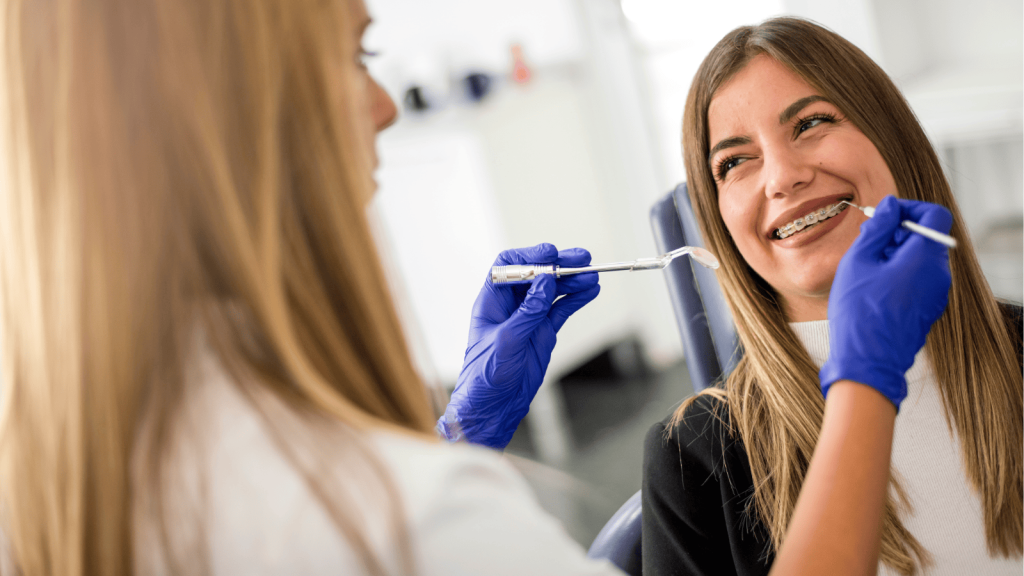
Picture this: It’s your daughter’s 7th birthday. She beams at the camera, but you can’t help but notice her teeth have taken on a life of their own—some waving, some hiding. I’ve been that parent, wondering if these quirky grins are just a rite of passage or a red flag. As it turns out, early orthodontic evaluation is less about rushing into braces and more about understanding your child’s unique dental needs. In Hong Kong, with stellar options like The American Orthodontic Group, you have valuable resources at your fingertips. Let’s demystify early orthodontic intervention—no judgment, just real talk, parent to parent.
When is the “Right” Time? Decoding Age 7 and Beyond
Why Age 7 Matters for Orthodontic Evaluation
According to the American Association of Orthodontists (AAO), age 7 is the ideal milestone for your child’s first orthodontic evaluation. At this age, a mix of baby and permanent teeth allows the best orthodontist in Hong Kong to spot subtle issues in jaw growth, bite, and tooth alignment—often before they become bigger problems.
- Early Detection: Problems like crowding, crossbites, or jaw misalignment are easier to spot and address when your child is around 7.
- Planning Ahead: Most early orthodontic consultations do not lead straight to braces or appliances. Instead, your orthodontist may simply monitor your child’s growth, creating a personalized plan if treatment is needed later.
- Peace of Mind: As a parent, you want to know if your child’s smile is developing well. Early checks mean fewer surprises down the road.
My own experience highlights this: when my son developed a lisp, we thought it was just a cute phase. But a quick orthodontic evaluation at age 7 revealed an underlying bite issue. Early intervention made all the difference.
‘Early dental evaluation is like a blueprint—a simple plan today can mean avoiding major remodeling later.’ – Dr. Emily Chan
Key Takeaways
- The AAO recommends a first orthodontic check-up by age 7.
- Early orthodontic treatment doesn’t always mean braces; sometimes, monitoring is all that’s needed.
- Orthodontic evaluation age 7 helps spot issues before they become serious.
- Kid-friendly clinics like the American Orthodontic Group in Hong Kong make the process easy and comfortable.
FAQ
- Q: Does every child need braces after an evaluation at age 7?
A: No. Most children are only monitored until (or if) treatment is necessary. - Q: What if my child is older than 7?
A: It’s never too late for an orthodontic check-up—early is best, but later evaluations can still help.
Signs Your Child Might Need Early Orthodontic Care (and the Red Herrings)
How to Spot the Need for Children Orthodontic Care
Knowing when to seek an orthodontic evaluation for your child can feel confusing. Some changes in your child’s smile are normal, while others may signal a need for early orthodontic intervention. Here’s how to tell the difference:
- Misplaced, crowded, or protruding teeth: These are classic signs children need orthodontic evaluation. If teeth seem out of line, overlap, or stick out, it’s worth a closer look.
- Mouth breathing: If your child often breathes through their mouth instead of their nose, it could point to jaw or dental issues.
- Thumb-sucking past age 5: Occasional thumb-sucking is normal in young kids, but if it continues beyond age 5, it may affect tooth and jaw development.
- Early or late loss of baby teeth: Losing baby teeth much earlier or later than classmates can sometimes mean the adult teeth need more space or guidance.
- Difficulty chewing or biting: Struggling to chew food or biting the inside of the cheek regularly can be a sign of alignment problems.
- Speech issues: Some speech problems, like lisping or trouble pronouncing certain sounds, may be linked to dental alignment, but not always.
- Jaw shifting or abnormal movement: If your child’s jaw shifts when opening or closing, or makes clicking sounds, it’s time for a check-up.
Red Herrings: What’s Not Always a Concern
- Gaps between teeth: Sometimes, a gap is just a gap—especially in younger children whose adult teeth haven’t come in yet.
- Minor speech quirks: Not every lisp or mispronunciation means there’s a dental problem.
- Early tooth loss without other symptoms: If your child loses a tooth early but has no trouble chewing or speaking, it may not be urgent.
Key Takeaways
- Classic signs include crowded, protruding, or misplaced teeth, mouth breathing, and thumb-sucking after age 5.
- Not every gap or speech quirk is a cause for alarm.
- When in doubt, trust your instincts and consult a specialist.
FAQ
- Q: Should I worry if my child’s baby teeth fall out early?
A: Not always, but if it’s paired with chewing or speech issues, get an orthodontic evaluation. - Q: Is thumb-sucking after age 5 a problem?
A: Yes, it can affect jaw and tooth development and should be discussed with a professional. - Q: Who can help me sort out the signs?
A: The American Orthodontic Group in Hong Kong can help you distinguish normal growth from early warning signs.
“If you’re noticing new smile quirks, trust your instincts—but let an expert weigh in.” – Dr. Stephen Lai
What Happens Next? Understanding Treatment—or Just Monitoring
What to Expect After Your Child’s First Orthodontic Visit
After your child’s first visit to a top orthodontist in Hong Kong, you might wonder what comes next. The answer depends on your child’s unique smile and dental development. Early orthodontic intervention doesn’t always mean starting treatment right away. In fact, for many children, the most important benefit of early orthodontic care is regular monitoring.
- Regular Monitoring: Many children do not need braces or appliances immediately. Instead, orthodontists may recommend “watchful waiting” until all adult teeth have come in. This helps track jaw growth and tooth alignment over time.
- Gentle Early Treatment: If your child needs early orthodontic intervention, options may include palatal expanders, gentle appliances, or removing baby teeth. These steps can guide proper jaw development and make future treatment simpler.
- Personalized Plans: The American Orthodontic Group’s specialists in Hong Kong create individualized plans for each child—there are no cookie-cutter solutions. This means your child gets exactly the care they need, when they need it.
Early orthodontic care can offer big benefits. By starting early, you may help your child avoid more invasive procedures, like extractions or jaw surgery, later on. Early intervention can also boost your child’s self-esteem by improving their smile and bite at a young age. Plus, it may reduce the overall length and cost of future orthodontic treatment.
“There’s relief in knowing your child’s smile is on the right path—even if that path is ‘wait and see.’” – Dr. Michelle Fong
Key Takeaways
- Most children only need regular monitoring until all adult teeth appear.
- Early orthodontic intervention may involve gentle appliances or removing baby teeth.
- Personalized treatment plans help prevent future extractions and surgeries.
- Early orthodontic care can boost confidence and reduce future costs.
FAQ
- Does my child need braces right away? Not always. Many children are simply monitored until further growth occurs.
- What are the benefits of early orthodontic treatment? Early care can prevent more serious issues, reduce treatment time, and improve self-esteem.
- How often will my child need check-ups? This depends on your child’s needs, but visits are usually every 6-12 months during monitoring.
Early Orthodontic Treatment FAQs: Answered with Honesty (and a Smile)
Your Top Questions About Early Orthodontic Treatment—Answered
- Q: Is early evaluation necessary if my kid’s teeth seem fine?
A: Yes, early orthodontic evaluation is recommended by most orthodontists, even if your child’s teeth look straight. The main reason is that some issues, like jaw growth or bite alignment, aren’t always visible. An early check-up, usually around age 7, is a proactive, low-pressure step. It helps the orthodontist spot potential problems before they become bigger concerns. Remember, assessment doesn’t mean your child will need braces right away. - Q: Will my child need braces right away?
A: Not necessarily! In fact, most children who visit the best orthodontic clinic Hong Kong offers do not start treatment immediately. Early orthodontic treatment is highly personalized. Many kids are simply monitored as their teeth and jaws develop. Braces or appliances are only recommended if they are truly needed at that stage. - Q: Can early treatment really prevent bigger problems?
A: Absolutely. Early intervention can guide jaw growth, create space for incoming teeth, and correct harmful oral habits. By addressing these issues early, you may help your child avoid more complex treatments later. Still, not every child needs early appliances or braces—orthodontist recommendations for kids are always tailored to individual needs.
Key Takeaways for Parents
- Early orthodontic assessment is a smart, non-committal step for your child’s dental health.
- Most kids do not need braces right away—personalized care is the standard.
- Early treatment can prevent bigger dental problems, but only when truly necessary.
- Choosing the best orthodontic clinic Hong Kong families trust ensures honest advice and the right timing for treatment.
“An early orthodontic check-up is about peace of mind, not pressure. It’s the first step to a confident, healthy smile.”
Conclusion: Raising Confident Smiles in Hong Kong
Empowering Parents and Children Through Early Orthodontic Care
When it comes to your child’s smile, being proactive is key. Early orthodontic evaluation isn’t about rushing into treatment—it’s about making informed choices at the right time. The recommended orthodontic evaluation age 7 gives Hong Kong parents a head start in understanding their child’s dental development. By acting early, you’re not only looking after your child’s oral health but also helping them build confidence that lasts a lifetime.
Hong Kong families are fortunate to have access to trusted local experts like The American Orthodontic Group. Their team understands the unique needs of children in our city and offers personalized care that puts both parents and kids at ease. As Dr. Elizabeth Lam says,
‘Every confident grin starts with a conversation—not just with your child, but with a trusted orthodontic specialist.’
Choosing the best orthodontist Hong Kong means finding someone who listens, explains, and guides you through every step. Early doesn’t mean excessive—just informed and proactive. With the right support, you can make sure your child’s orthodontic journey is a positive one, free from unnecessary worry or pressure.
Key Takeaways
- Early orthodontic evaluation empowers families to make smart decisions for their children’s dental health.
- Age 7 is the ideal time for a first orthodontic check-up, according to experts.
- Quality local providers like The American Orthodontic Group make a real difference in children orthodontic care.
- Your child’s smile is a story in the making—start it with confidence and care.
FAQ
- Is early orthodontic evaluation necessary? Yes, it helps spot issues early and plan for the healthiest smile possible.
- What if my child doesn’t need braces right away? That’s okay—early visits are about monitoring growth and timing treatment when needed.
- How do I choose the best orthodontist Hong Kong? Look for experienced, caring professionals like those at The American Orthodontic Group.
Early orthodontic intervention, especially around age 7, can set your child up for a lifetime of confident smiles. Watch for bite issues, consider local experts like The American Orthodontic Group, and remember—early doesn’t mean urgent, it means informed!