Key Takeaways
- Orthodontists are dentists with additional specialized training focused on tooth alignment and jaw development
- Dentists provide general oral healthcare while orthodontists specialize in correcting misalignments
- You’ll typically visit a dentist for routine checkups and an orthodontist for braces or aligners
- Both professionals work together to ensure your complete oral health
- Organizations like The American Orthodontic Group provide specialized orthodontic services with highly trained specialists
Understanding the Basics: What Each Professional Does
When it comes to taking care of your smile, you’ve probably heard of both dentists and orthodontists. But do you know the difference between these two oral health professionals? While they both work on improving your oral health, they serve different roles in your dental care journey.
The Role of a Dentist
Your dentist is your primary oral healthcare provider. Think of them as your mouth’s general practitioner. They focus on your overall oral health, including your teeth, gums, and mouth. When you visit your dentist, they’ll typically:
- Perform regular cleanings and checkups
- Fill cavities and repair damaged teeth
- Extract teeth when necessary
- Screen for oral cancer and other diseases
- Provide advice on proper brushing and flossing techniques
- Address issues like gum disease, toothaches, and bad breath
Dentists earn a Doctor of Dental Surgery (DDS) or Doctor of Medical Dentistry (DMD) degree after completing four years of dental school following their undergraduate education. They’re trained to handle a wide range of oral health issues and are the professionals you’ll visit most often for your dental care needs.
The Role of an Orthodontist
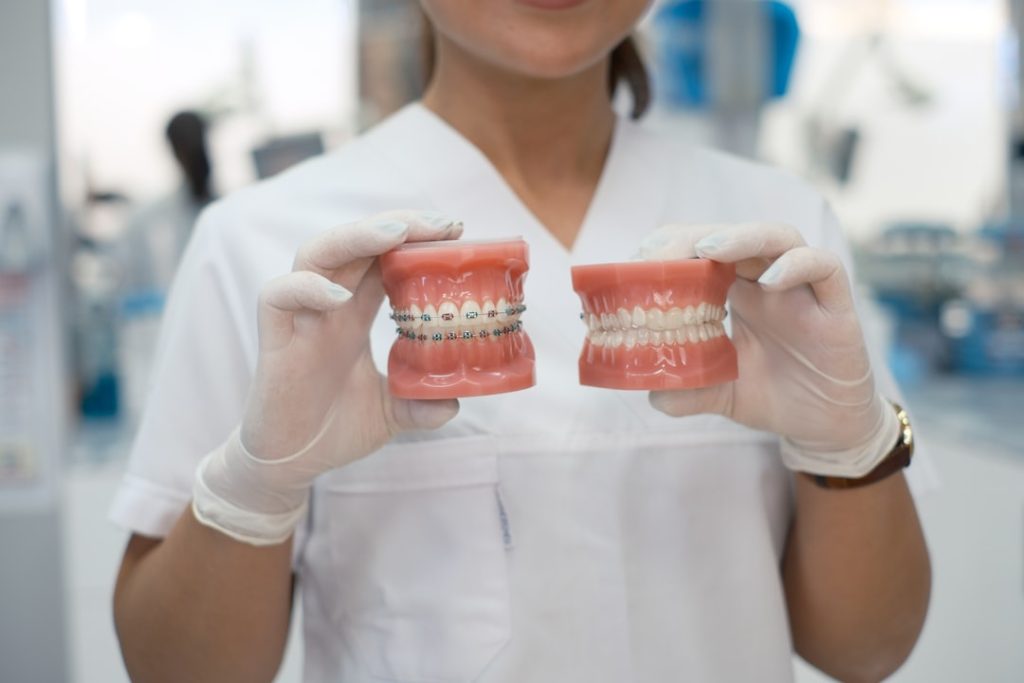
An orthodontist, on the other hand, is a dental specialist who focuses specifically on the alignment of your teeth and jaw. After completing dental school, orthodontists undergo an additional 2-3 years of specialized training focused exclusively on orthodontics.
Orthodontists are experts at diagnosing, preventing, and treating dental and facial irregularities. They work on:
- Straightening crooked teeth
- Correcting bite problems (like overbites, underbites, and crossbites)
- Closing gaps between teeth
- Aligning the lips and teeth properly
- Creating treatment plans using braces, clear aligners, and other orthodontic appliances
- Monitoring facial growth and development in children
Organizations like The American Orthodontic Group employ orthodontists who have this advanced training and specialize in providing comprehensive orthodontic care for patients of all ages.
Education and Training Differences
One of the key differences between dentists and orthodontists lies in their education and training.
Dentist Education Path
- Bachelor’s degree (4 years)
- Dental school (4 years) resulting in a DDS or DMD degree
- Optional residency for general dentistry (1-2 years)
- State licensing exams
Orthodontist Education Path
- Bachelor’s degree (4 years)
- Dental school (4 years) resulting in a DDS or DMD degree
- Orthodontic residency program (2-3 years)
- Board certification exams
- Continued education to stay current with orthodontic advancements
This additional training gives orthodontists specialized knowledge in facial growth and development, biomechanics, and the latest techniques for moving teeth effectively and safely.
When to See a Dentist vs. an Orthodontist
Understanding when to visit each type of professional can help you get the right care at the right time.
Visit a Dentist For:
- Regular checkups (typically every 6 months)
- Teeth cleaning
- Cavities or toothaches
- Gum problems
- Tooth extractions
- Root canals
- Crowns, bridges, or dentures
- Teeth whitening
- Oral cancer screenings
Visit an Orthodontist For:
- Teeth that are crowded or crooked
- Overbite or underbite issues
- Crossbite or open bite concerns
- Jaw alignment problems
- Difficulty chewing or biting
- Early orthodontic evaluation for children (by age 7)
- Braces, clear aligners, or other orthodontic treatments
- Retainer adjustments and follow-ups
Often, your dentist will refer you to an orthodontist if they notice issues that require specialized orthodontic care. Many practices, like The American Orthodontic Group, work closely with general dentists to ensure comprehensive care for patients.
Treatment Approaches and Tools
The tools and treatment approaches used by dentists and orthodontists reflect their different areas of focus.
Dentist Tools and Treatments
- Dental drills
- Filling materials
- Impression materials
- X-ray equipment
- Scaling tools for cleaning
- Dental crowns and veneers
- Whitening systems
- Local anesthetics
Orthodontist Tools and Treatments
- Traditional metal braces
- Ceramic braces
- Lingual (behind-the-teeth) braces
- Clear aligners (like Invisalign)
- Palatal expanders
- Headgear and facemasks
- Retainers
- 3D imaging for treatment planning
Orthodontists at specialized practices like The American Orthodontic Group often have access to the latest technologies in orthodontic care, including digital scanning, 3D printing for appliances, and advanced imaging systems that allow for precise treatment planning.
The Patient Experience: What to Expect
Your experience as a patient will differ depending on whether you’re visiting a dentist or an orthodontist.
Dental Visit Experience
- More frequent visits (typically every 6 months)
- Shorter appointment times (usually 30-60 minutes)
- Focus on cleaning, examination, and addressing immediate issues
- May involve procedures like fillings or extractions
- Emphasis on preventive care and maintenance
Orthodontic Visit Experience
- Less frequent but regular visits (typically every 4-8 weeks)
- Initial consultation is more comprehensive for treatment planning
- Longer-term relationship throughout treatment (often 1-3 years)
- Adjustments to orthodontic appliances during visits
- Focus on gradual progress and movement of teeth
- Final phase includes retention to maintain results
Working Together: The Collaborative Approach
Though they have different specialties, dentists and orthodontists often work together to provide comprehensive care for your oral health. This collaboration ensures you receive the best possible care for your specific needs.
During orthodontic treatment, you’ll continue to see your regular dentist for cleanings and checkups. This is especially important when you have braces or aligners, as these appliances can make it more challenging to keep your teeth clean.
The American Orthodontic Group emphasizes this collaborative approach, working with your general dentist to ensure your teeth stay healthy while they’re being straightened. This teamwork helps prevent cavities, gum disease, and other issues that could complicate your orthodontic treatment.
FAQ About Dentists and Orthodontists
Do I need a referral from my dentist to see an orthodontist?
No, you don’t usually need a referral. While many patients are referred by their dentists, you can schedule a consultation with an orthodontist directly if you have concerns about tooth alignment or bite issues.
At what age should a child first see an orthodontist?
The American Association of Orthodontists recommends that children have their first orthodontic evaluation by age 7. This allows the orthodontist to identify potential issues early, when they’re easier to correct.
Can adults get orthodontic treatment?
Absolutely! About one in four orthodontic patients today are adults. With options like clear aligners and less noticeable braces, more adults are choosing to straighten their teeth.
How long does orthodontic treatment typically last?
Treatment time varies depending on the complexity of your case, but most patients wear braces or aligners for 1-3 years. Your orthodontist will give you a more specific timeline during your consultation.
Will my insurance cover orthodontic treatment?
Many dental insurance plans include some orthodontic coverage, especially for patients under 18. The American Orthodontic Group and other practices often offer payment plans and can help you understand your insurance benefits.
While dentists and orthodontists both play crucial roles in maintaining your oral health, they serve different functions in your care. Your dentist focuses on overall oral health, addressing issues like cavities, gum disease, and routine maintenance. Your orthodontist specializes in correcting misalignments, improving your bite, and enhancing the appearance and function of your smile.
Most people will need to see both professionals at different points in their lives. Regular visits to your dentist are essential for everyone, while orthodontic treatment might be recommended to address specific alignment issues.
Organizations like The American Orthodontic Group provide specialized orthodontic care with professionals who have undergone extensive training beyond dental school. By understanding the difference between these two types of dental professionals, you can make informed decisions about your oral healthcare and know when to seek specialized treatment.
Remember that good communication between your dentist and orthodontist ensures comprehensive care for your smile. Don’t hesitate to ask questions about how these professionals can work together to help you achieve optimal oral health and a beautiful smile that lasts a lifetime.