Evolution of Fixed Orthodontic Appliances
The orthodontic field has undergone substantial transformation in recent years, with significant improvements in appliance design, materials science, and treatment efficiency. Modern orthodontic solutions prioritize patient comfort while maintaining clinical effectiveness through innovative engineering approaches.
Ceramic Bracket Systems
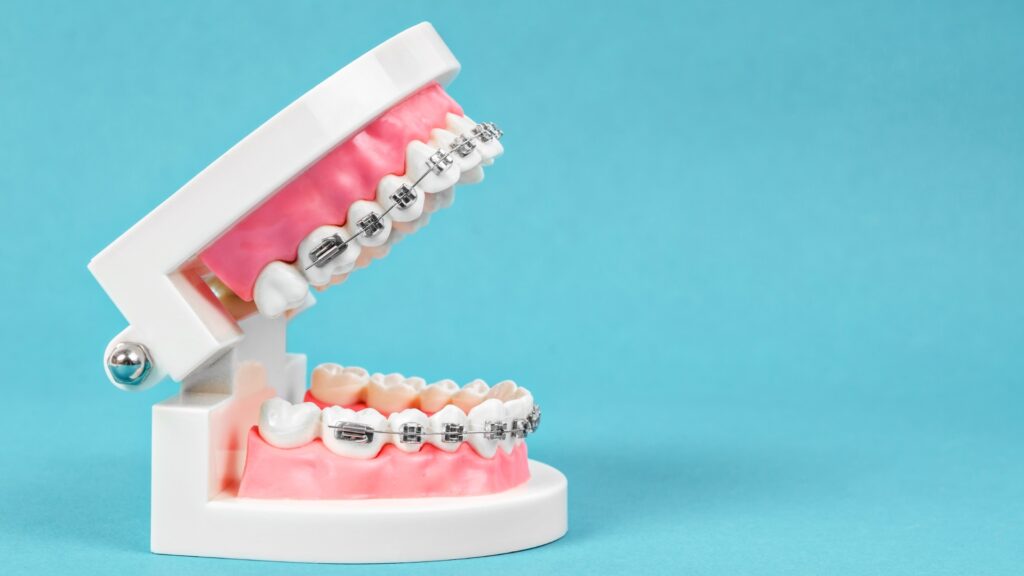
Contemporary ceramic orthodontic appliances utilize advanced polycrystalline materials that provide exceptional strength while maintaining aesthetic appeal. These translucent systems blend naturally with tooth enamel, offering patients a more discrete treatment option without compromising mechanical performance.
The latest ceramic formulations demonstrate superior resistance to discoloration and maintain their clarity throughout extended treatment periods. Clinical studies indicate these systems achieve comparable treatment outcomes to traditional metal alternatives while significantly improving patient satisfaction scores.
Behind-the-Teeth Treatment Options
Customized lingual appliance systems represent a sophisticated approach to invisible orthodontic treatment. These individually manufactured systems are precisely engineered using digital technology to conform to the unique anatomy of each patient’s dental arch.
The American Orthodontic Group in Hong Kong specializes in these advanced lingual systems, utilizing state-of-the-art fabrication techniques to ensure optimal comfort and treatment efficiency for patients requiring completely invisible orthodontic care.
Friction-Reduced Bracket Technology
Modern bracket designs incorporate passive self-ligation mechanisms that eliminate the need for conventional elastic ligatures. This technological advancement reduces friction between the archwire and bracket system, potentially decreasing treatment duration while improving patient comfort.
Clinical research demonstrates that these systems may reduce the frequency of adjustment appointments while maintaining precise control over tooth movement patterns throughout the treatment process.
Advanced Clear Aligner Technologies
Precision Manufacturing Processes
Contemporary transparent aligner systems utilize sophisticated three-dimensional printing technologies to create highly accurate, patient-specific treatment appliances. This manufacturing approach enables the production of aligners with complex geometries and precise force delivery systems.
Digital treatment planning software integrates with advanced manufacturing processes to create sequential aligner sets that guide teeth through predetermined movement patterns with remarkable precision.
Material Science Innovations
Recent developments in thermoplastic polymer chemistry have produced aligner materials with enhanced durability, improved optical properties, and superior biomechanical characteristics. These advanced materials maintain their shape integrity while providing consistent force delivery throughout the treatment sequence.
Integrated Monitoring Systems
Next-generation aligner systems incorporate embedded sensors that track wear time and provide objective compliance data to both patients and practitioners. This technology enables more accurate treatment monitoring while encouraging patient adherence to prescribed wear schedules.
The American Orthodontic Group in Hong Kong implements these advanced monitoring systems to ensure optimal treatment outcomes while providing patients with real-time feedback about their progress.
Treatment Acceleration Technologies
Biological Stimulation Methods
Contemporary orthodontic practices employ various biological enhancement techniques to optimize the rate of tooth movement while maintaining patient comfort. These methods utilize controlled mechanical stimulation to promote cellular activity in the periodontal ligament space.
Research indicates that these acceleration techniques can potentially reduce overall treatment duration while maintaining the safety and predictability of orthodontic tooth movement.
Computational Treatment Planning
Artificial intelligence algorithms now assist in treatment plan development by analyzing vast databases of successful cases to predict optimal treatment strategies for individual patients. This data-driven approach enables more accurate treatment time estimates and improved outcome predictions.
Digital Integration Protocols
Modern orthodontic practices integrate multiple digital technologies to streamline treatment delivery and improve patient communication. These systems enable remote monitoring, virtual consultations, and automated appointment scheduling while maintaining high standards of clinical care.
Sustainable Practice Implementation
Environmental Responsibility
Contemporary orthodontic practices increasingly prioritize environmental sustainability through the adoption of eco-friendly materials and waste reduction protocols. These initiatives include recyclable appliance materials and digital workflow systems that minimize paper consumption.
Resource Efficiency
Digital treatment planning and manufacturing processes reduce material waste while improving treatment precision. These technologies enable practices to provide high-quality care while minimizing their environmental impact.
Patient-Centered Care Delivery
Individualized Treatment Approaches
Modern orthodontic care emphasizes comprehensive assessment of each patient’s unique anatomical, aesthetic, and lifestyle requirements. This personalized approach ensures that treatment recommendations align with individual patient goals and expectations.
Communication Enhancement
Advanced digital communication platforms enable continuous patient engagement throughout the treatment process. These systems provide educational resources, progress tracking, and direct access to clinical support when needed.
The American Orthodontic Group in Hong Kong utilizes comprehensive digital communication systems to maintain strong patient relationships while providing convenient access to clinical expertise.
Future Developments in Orthodontic Care
The continued evolution of orthodontic technology promises even greater integration of digital systems, advanced materials, and personalized treatment protocols. These developments will likely further improve treatment efficiency while enhancing the overall patient experience.
Contemporary orthodontic practices must balance technological innovation with fundamental clinical principles to ensure that advanced tools enhance rather than complicate the delivery of effective patient care.
Clinical Implementation Considerations
Successful integration of advanced orthodontic technologies requires careful evaluation of clinical evidence, cost-effectiveness, and patient acceptance factors. Practices must maintain focus on proven treatment principles while selectively adopting innovations that demonstrably improve patient outcomes.
The most effective approach combines technological advancement with experienced clinical judgment, ensuring that sophisticated tools serve to enhance the fundamental goal of providing exceptional orthodontic care tailored to each patient’s individual needs and circumstances.