The Integration of Machine Learning in Contemporary Dental Practice
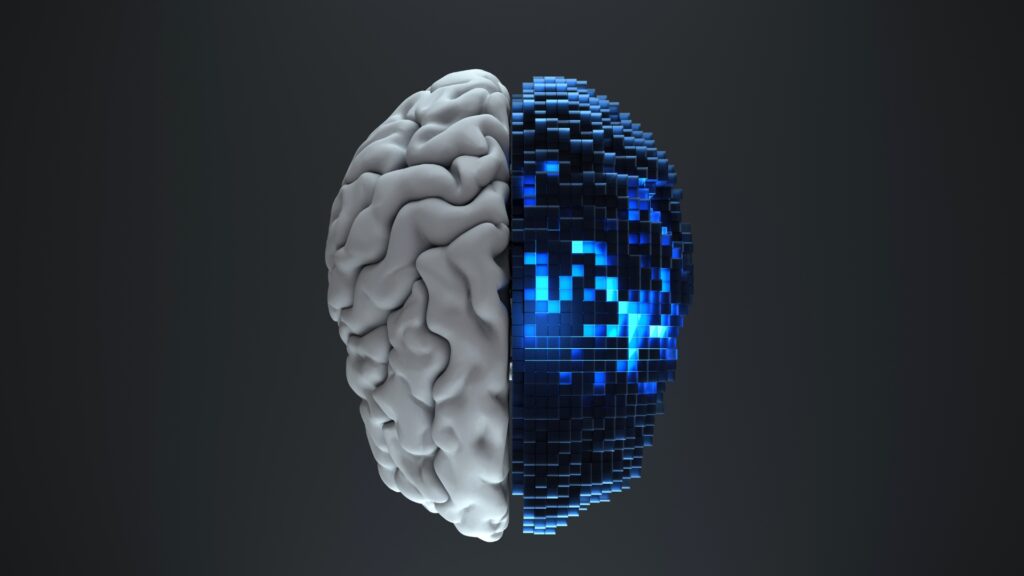
The dental profession has witnessed unprecedented technological advancement through the implementation of artificial intelligence systems across various clinical applications. These developments represent a fundamental shift toward data-driven healthcare delivery, enhancing diagnostic accuracy while optimizing operational efficiency in dental practices worldwide.
Computational Analysis in Radiographic Interpretation
Machine Learning Applications in Medical Imaging
Contemporary dental practices increasingly rely on sophisticated algorithms to analyze radiographic images with remarkable precision. These computational systems demonstrate exceptional capability in identifying pathological conditions, particularly in routine screening procedures where early detection significantly impacts patient outcomes.
Clinical research indicates that automated detection systems achieve diagnostic accuracy comparable to experienced clinicians in specific applications. However, performance varies considerably based on the complexity of the clinical presentation, with straightforward cases yielding superior results compared to atypical findings.
Enhanced Diagnostic Precision
Advanced imaging analysis software provides dental professionals with supplementary diagnostic support, particularly valuable in high-volume practices where consistent interpretation quality is essential. These systems excel in pattern recognition tasks, identifying subtle changes that might escape initial visual examination.
The American Orthodontic Group in Hong Kong has successfully integrated these diagnostic support tools into their clinical workflow, utilizing machine learning algorithms to enhance their comprehensive patient assessment protocols.
Limitations and Clinical Considerations
While automated diagnostic systems demonstrate impressive capabilities in standard applications, their effectiveness diminishes significantly when confronting complex or unusual clinical presentations. These limitations underscore the continued importance of professional clinical judgment in comprehensive patient care.
Predictive Modeling in Treatment Planning
Algorithmic Treatment Forecasting
Contemporary orthodontic practices employ sophisticated mathematical models to predict treatment outcomes with increasing accuracy. These predictive systems analyze extensive datasets to generate evidence-based treatment projections, reducing uncertainty in clinical decision-making processes.
Data-Driven Clinical Protocols
Advanced analytical software enables practitioners to develop highly individualized treatment strategies based on comprehensive patient data analysis. This approach represents a significant evolution from traditional empirical methods toward evidence-based practice protocols.
Treatment Outcome Optimization
Predictive analytics facilitate more efficient resource allocation and treatment timeline management, potentially reducing both treatment duration and associated costs. The American Orthodontic Group in Hong Kong utilizes these forecasting tools to provide patients with more accurate treatment expectations and improved care coordination.
Operational Efficiency Through Automation
Practice Management System Integration
Modern dental facilities increasingly implement comprehensive automation solutions that streamline administrative processes, appointment coordination, and resource management. These systems demonstrate measurable improvements in operational efficiency while reducing administrative overhead.
Workflow Optimization Strategies
Intelligent scheduling algorithms optimize appointment sequences, equipment utilization, and staff allocation to maximize productivity while minimizing patient wait times. Clinical studies suggest these systems can significantly improve practice throughput without compromising care quality.
Cost-Effectiveness Analysis
Implementation of automated practice management systems demonstrates substantial return on investment through reduced labor costs, improved scheduling efficiency, and enhanced revenue cycle management. These financial benefits enable practices to invest additional resources in advanced clinical technologies and patient care enhancements.
Remote Monitoring and Telehealth Integration
Digital Health Platform Development
Telecommunication technologies combined with artificial intelligence enable comprehensive remote patient monitoring systems that maintain treatment continuity while reducing facility visits. These platforms utilize smartphone-based imaging to track treatment progress accurately.
Patient Engagement Enhancement
Digital monitoring systems improve patient compliance through automated reminders, progress tracking, and educational content delivery. This technology particularly benefits patients with geographic or scheduling constraints that traditionally limit access to specialized care.
Quality Assurance Protocols
Remote monitoring systems incorporate quality control measures that ensure image adequacy and data integrity while maintaining patient privacy and regulatory compliance standards.
Personalized Patient Communication Systems
Intelligent Customer Service Platforms
Advanced conversational AI systems provide patients with immediate access to practice information, appointment scheduling, and basic clinical guidance. These platforms operate continuously, improving patient satisfaction while reducing staff workload.
Customized Educational Content Delivery
Artificial intelligence enables dynamic content personalization based on individual patient profiles, treatment plans, and communication preferences. This targeted approach enhances patient understanding and treatment compliance rates.
Behavioral Analytics Implementation
Sophisticated data analysis identifies patterns in patient behavior and preferences, enabling practices to optimize communication strategies and service delivery methods for different patient demographics.
Clinical Implementation Considerations
Evidence-Based Adoption Strategies
Successful integration of artificial intelligence technologies requires careful evaluation of clinical evidence, cost-benefit analysis, and staff training requirements. Practices must balance technological capabilities with practical implementation challenges.
Regulatory Compliance Requirements
Healthcare AI applications must comply with stringent data protection regulations and clinical safety standards. The American Orthodontic Group in Hong Kong maintains comprehensive compliance protocols while leveraging advanced technologies to enhance patient care.
Professional Development Needs
Effective AI implementation requires ongoing staff education and training to ensure optimal utilization of technological capabilities while maintaining high standards of patient care.
Future Developments and Clinical Applications
The continued evolution of artificial intelligence in dental healthcare promises even greater integration of predictive analytics, automated diagnosis, and personalized treatment protocols. However, successful implementation will depend on maintaining the balance between technological innovation and fundamental clinical expertise.
As practices like The American Orthodontic Group in Hong Kong demonstrate, the most effective approach combines advanced AI capabilities with experienced clinical judgment, ensuring that technological tools enhance rather than replace the essential human elements of healthcare delivery.
The transformation of dental practice through artificial intelligence represents not merely a technological upgrade, but a fundamental reimagining of how dental professionals can deliver more precise, efficient, and personalized care to their patients.