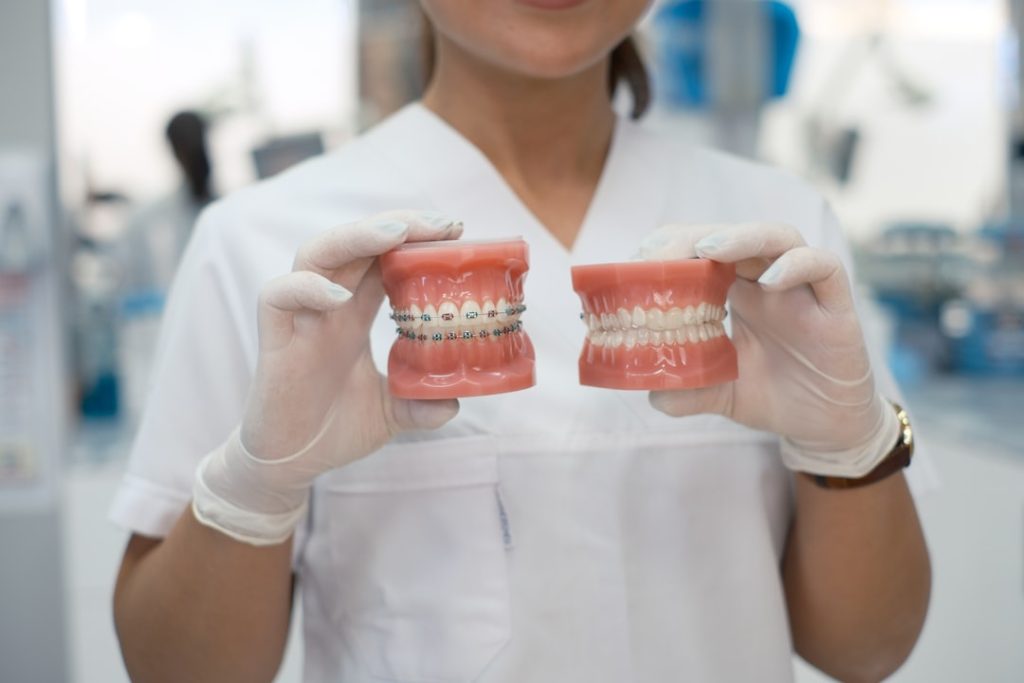
Every smile tells a story, but what if your story could be rewritten? Imagine waking up one day to a world where you’re no longer self-conscious about your appearance. A confident smile that you once thought was out of reach is now attainable, and it’s all thanks to the marvels of modern jaw surgery. It’s not just about aesthetics; it’s about transforming your life and how you interact with the world around you. The journey to achieving a confident smile with jaw surgery is more than a physical transformation—it’s an emotional and psychological metamorphosis that brings newfound self-assurance and a brighter outlook on life.
You may have spent years hiding your smile, feeling the weight of every photo-op or social gathering. The idea of jaw surgery can be daunting, filled with questions and uncertainties. But here’s the truth: the journey ahead is less about the surgical procedure itself and more about the possibilities it unlocks. This is about walking into a room and knowing that your smile radiates confidence, changing the way people see you and, more importantly, how you see yourself. Join us as we explore the ins and outs of this life-changing procedure, hear stories from those who have been through it, and discover why so many people are choosing jaw surgery to reveal their best selves to the world.
Understanding Jaw Surgery: Breaking Down the Basics
Jaw surgery, also known as orthognathic surgery, is a procedure that corrects abnormalities in the jaw and facial structure. It is often performed to improve functionality, alleviate pain, and enhance the overall appearance of the face. This transformative procedure involves repositioning the upper jaw (maxilla), lower jaw (mandible), or both to achieve proper alignment.
There are various reasons why someone may require jaw surgery. It could be due to a congenital condition, such as a cleft palate or cleft lip, which affects the development of the jaw. Alternatively, it may be necessary to address issues caused by trauma or injury. Some individuals undergo jaw surgery to correct bite problems, such as an overbite or underbite, which can impact speech and chewing abilities.
The process begins with a comprehensive evaluation by an oral and maxillofacial surgeon who specializes in facial reconstruction. They will assess your condition through physical examinations, medical history review, and advanced imaging techniques like X-rays and CT scans. This thorough assessment helps determine whether you are a suitable candidate for jaw surgery.
The Emotional Impact: How Jaw Surgery Transforms Self-Perception
Jaw surgery goes beyond physical changes; it has a profound emotional impact on individuals who undergo the procedure. Many people with misaligned jaws experience low self-esteem and self-consciousness about their appearance. The emotional toll can affect various aspects of life, from personal relationships to professional opportunities.
By addressing these concerns through jaw surgery, individuals can experience a significant boost in self-confidence and improved mental well-being. The transformation not only enhances their physical appearance but also allows them to embrace their true selves without feeling held back by insecurities.
Patients often report feeling more comfortable smiling in social situations, taking photographs, and engaging in activities they previously avoided due to self-consciousness. The emotional impact of jaw surgery is life-changing, enabling individuals to lead a more fulfilling and confident life.
Preparing for the Journey: What to Expect Before the Procedure
Prior to undergoing jaw surgery, thorough preparation is essential. Your oral and maxillofacial surgeon will guide you through the entire process, ensuring you are well-informed and comfortable every step of the way.
During the pre-operative phase, you can expect a series of consultations with your surgeon. They will explain the procedure in detail, discuss your goals and expectations, and address any concerns or questions you may have. Additionally, they may collaborate with other healthcare professionals such as orthodontists to develop a comprehensive treatment plan tailored to your specific needs.
Before the surgery itself, your surgeon may recommend certain lifestyle modifications or adjustments to ensure optimal outcomes. This could include quitting smoking or avoiding certain medications that may interfere with the healing process. It is crucial to follow these instructions diligently to minimize potential risks and complications.
Recovery Roadmap: Navigating Post-Surgery Care and Healing
The recovery period following jaw surgery requires patience and adherence to post-operative care instructions provided by your surgeon. While each individual’s recovery experience may vary slightly, there are general guidelines that can help navigate this crucial phase.
Immediately after surgery, you can expect some swelling and discomfort around the surgical site. Your surgeon will prescribe pain medication to manage any pain or discomfort during this initial stage. It is important to follow their instructions regarding medication dosage and frequency.
In terms of diet, a soft-food diet is typically recommended during the initial weeks of recovery. This allows your jaw time to heal without placing excessive strain on it. As healing progresses, you will gradually reintroduce solid foods into your diet under the guidance of your surgeon or a registered dietitian.
Regular follow-up appointments with your surgeon are crucial during the recovery period. They will monitor your progress, remove any sutures if necessary, and provide guidance on oral hygiene practices to prevent infection. It is essential to attend these appointments and communicate any concerns or issues you may be experiencing.
Maintaining Your Confident Smile: Long-Term Care Tips
After undergoing jaw surgery and achieving a confident smile, it is important to maintain the results for the long term. Here are some tips to help you preserve your new smile:
1. Follow a proper oral hygiene routine: Brushing twice a day, flossing regularly, and using mouthwash can help keep your teeth and gums healthy.
2. Wear retainers as prescribed: Your orthodontist may recommend wearing retainers after jaw surgery to ensure that your teeth remain in their new positions.
3. Attend regular dental check-ups: Regular visits to your dentist will allow them to monitor your oral health and address any issues promptly.
4. Protect your jaw from trauma: Avoid activities that could potentially cause injury to your jaw, such as contact sports without proper protective gear.
5. Maintain a balanced diet: Eating a nutritious diet rich in vitamins and minerals supports overall oral health and promotes healing.
Conclusion: Embracing Your Journey to a Confident Smile
Jaw surgery offers individuals the opportunity to transform their lives by achieving a confident smile. This procedure not only corrects functional issues but also has a profound emotional impact on self-perception and overall well-being.
If you have been considering jaw surgery, take the first step towards embracing this life-changing journey. Consult with an experienced oral and maxillofacial surgeon who can guide you through the process, address your concerns, and help you achieve the smile you’ve always dreamed of. Remember, a confident smile is within reach, and jaw surgery can be the key to unlocking your true potential.