Key Takeaways
Essential Insights for Parents Considering Orthodontic Treatment
- Braces are a significant investment in your child’s dental health and self-confidence
- The right timing and preparation can make the orthodontic journey smoother
- Understanding the process helps reduce anxiety for both parents and children
Introduction: Understanding the Journey of Braces
Getting braces is a significant milestone in many children’s lives. As a parent, you might feel overwhelmed by the numerous questions and considerations surrounding orthodontic treatment. This comprehensive guide will walk you through everything you need to know before your child gets braces, helping you make informed decisions about their dental health.
When Should Your Child Get Braces?
The timing of orthodontic treatment is crucial. Most orthodontists, including experts at The American Orthodontic Group in Hong Kong, recommend an initial assessment around age 7. However, the ideal time for braces typically ranges between 9 and 14 years old. During this period, children have a mix of baby and permanent teeth, making it easier to identify and correct alignment issues.
Key indicators that your child might need braces include:
- Crowded or overlapping teeth
- Gaps between teeth
- Difficulty biting or chewing
- Jaw misalignment
- Protruding teeth
Preparing for the First Orthodontic Consultation
Your first visit to an orthodontist will be comprehensive. Expect a detailed examination that includes:
- Digital X-rays
- Dental impressions
- Thorough assessment of tooth alignment
- Discussion of potential treatment options
During this consultation, ask about:
- Estimated treatment duration
- Different types of braces available
- Total cost of treatment
- Potential insurance coverage
Types of Braces: Choosing the Right Option
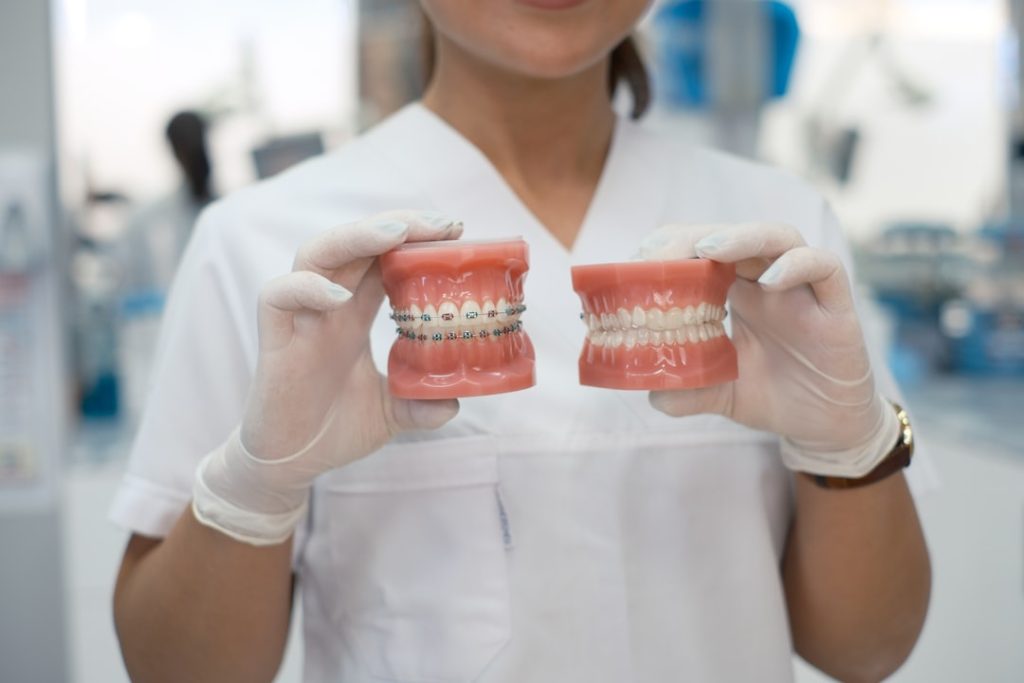
Modern orthodontics offers several braces options:
Traditional Metal Braces
- Most affordable option
- Highly effective for complex dental issues
- Colorful bands make them fun for kids
Ceramic Braces
- Less noticeable than metal braces
- Blend more naturally with tooth color
- Slightly more expensive
Invisible Aligners
- Nearly invisible
- Removable for eating and cleaning
- Best for mild to moderate alignment issues
Managing Expectations: The Braces Journey
Wearing braces is an adjustment for both parents and children. Prepare your child by:
- Discussing potential discomfort
- Explaining the importance of oral hygiene
- Helping them understand the long-term benefits
Typical treatment duration ranges from 18 months to 3 years, depending on individual dental needs.
Costs and Insurance Considerations
Braces represent a significant financial investment. Costs can vary widely:
- Traditional metal braces: $3,000 – $7,000
- Ceramic braces: $4,000 – $8,000
- Invisible aligners: $3,500 – $8,000
Check with your dental insurance provider about potential coverage. Some plans offer partial reimbursement for orthodontic treatment.
Frequently Asked Questions (FAQ)
How painful are braces?
Initial placement and periodic adjustments might cause temporary discomfort. Over-the-counter pain relievers and soft foods can help manage any soreness.
How often will my child need orthodontic appointments?
Typically, adjustments are made every 4-8 weeks. These appointments are crucial for monitoring progress and making necessary modifications.
Can my child play sports with braces?
Yes, but a protective mouthguard is recommended to prevent potential damage during physical activities.
What foods should be avoided?
Sticky, hard, and chewy foods can damage braces. Recommend avoiding:
- Popcorn
- Chewing gum
- Hard candies
- Nuts
- Corn on the cob
Conclusion: Investing in Your Child’s Smile
Braces are more than just a cosmetic solution. They’re an investment in your child’s oral health, potential speech improvements, and long-term confidence. By understanding the process and working closely with professionals like those at The American Orthodontic Group in Hong Kong, you can help your child navigate this important dental journey with ease and positivity.
Remember, every smile is unique, and with proper care and guidance, your child can achieve the healthy, beautiful smile they deserve.