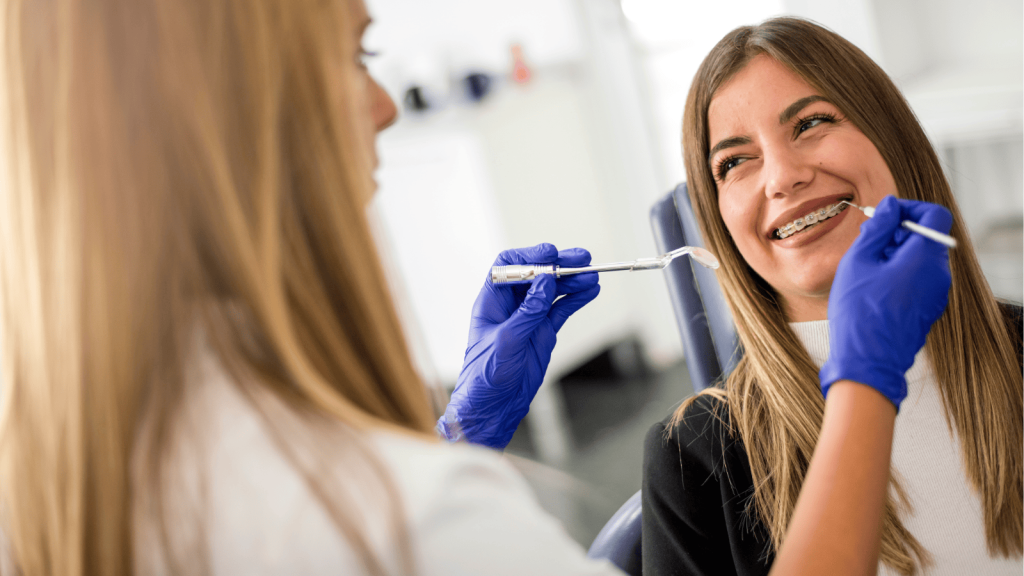
Have you ever wondered how a simple metal appliance can transform your smile and boost your confidence? Brace yourself (pun intended) because today, we’re delving into the fascinating world of braces. In this comprehensive guide, we’ll explore everything you need to know about braces in Hong Kong: from the science behind it to the different types available and how to maintain your oral health while wearing them. When it comes to orthodontic treatment, braces have been a go-to solution for decades. But have you ever stopped to think about how they actually work their magic? Well, wonder no more. Braces in Hong Kong utilize a combination of pressure and time to gradually shift your teeth into proper alignment. The process may seem like a mystery, but it’s a carefully orchestrated symphony performed by your dentist or orthodontist. Now, brace yourself for a journey into the mechanics of braces. These remarkable contraptions consist of several key components, including brackets, archwires, and rubber bands. The brackets are attached to the front of each tooth, acting as handles to hold the archwire in place. The archwire, which exerts gentle force on your teeth, is the main player responsible for straightening your pearly whites. And let’s not forget about the rubber bands – these elastic little heroes help to correct bite issues and jaw misalignment. But why should you consider getting braces in Hong Kong? Well, apart from the obvious aesthetic benefits of having a beautiful smile, properly aligned teeth can improve your oral health and overall well-being. Misaligned teeth can lead to a multitude of problems, including difficulty chewing, speaking, and even breathing. By opting for braces, you not only enhance your appearance but also invest in your long-term oral health. Now that you have a taste of what awaits you in this blog post, get ready to delve into the nitty-gritty details of braces in Hong Kong. From exploring the various types of braces available to sharing tips for maintaining oral hygiene during treatment, we’ve got you covered. So, sit back, relax, and let us guide you through the fascinating world of braces in Hong Kong.
Components of Braces: Understanding the Role of Brackets, Archwires, and Rubber Bands
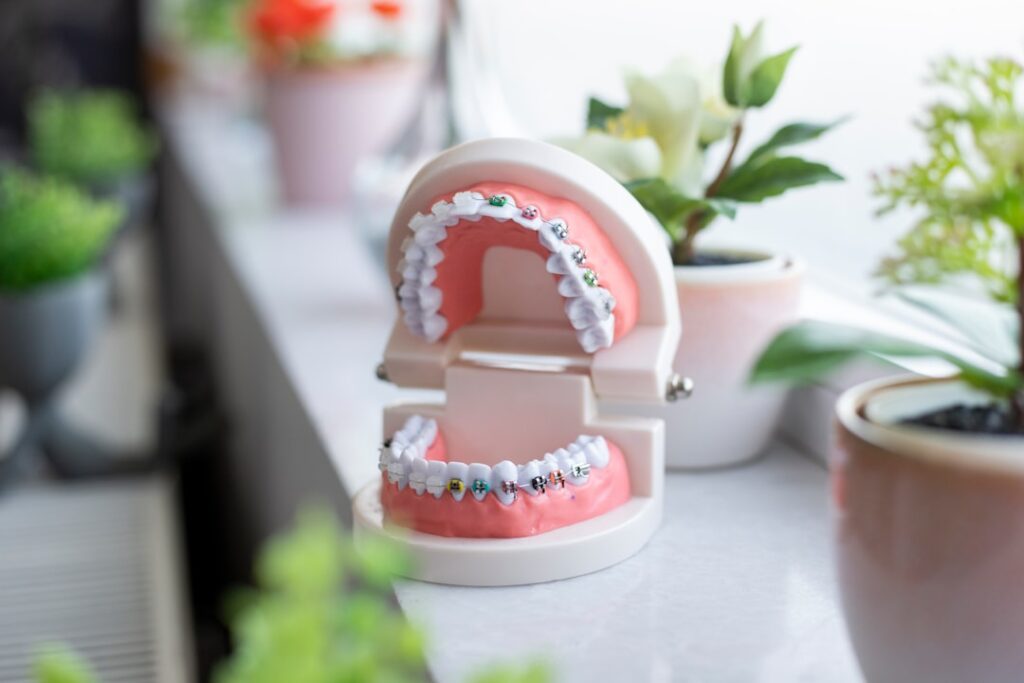
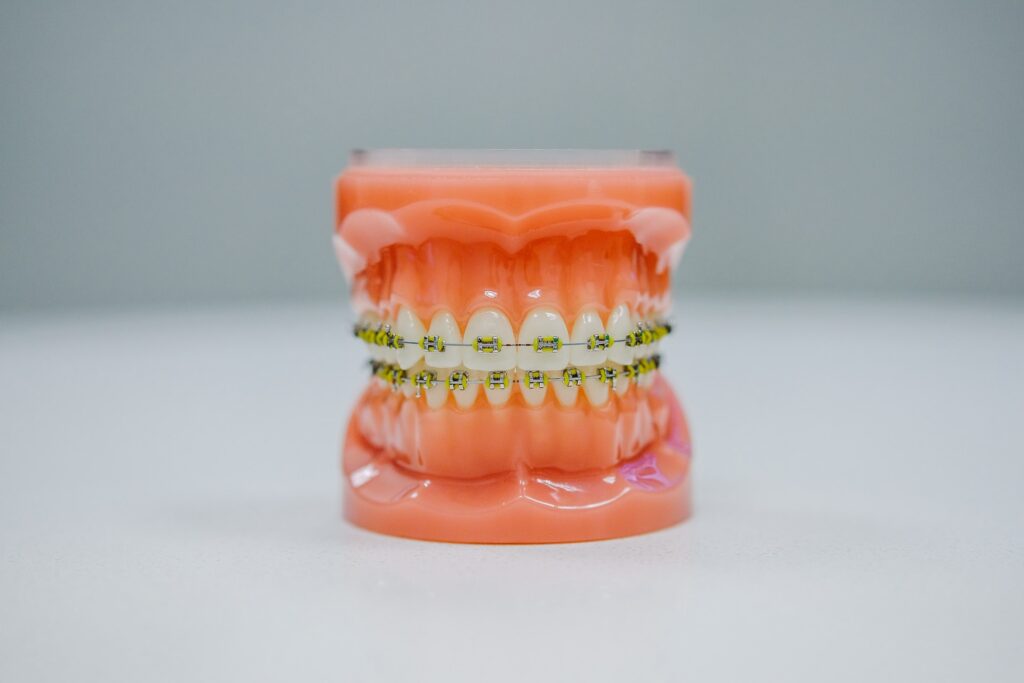
Brackets: The Foundation of Your Brace Journey. The brackets are the foundation of your brace journey. These small metal or ceramic squares are attached to the front surface of each tooth using a special dental adhesive. They act as handles to hold the archwire in place, allowing it to exert gentle pressure on your teeth. Brackets come in various materials, including stainless steel and ceramic. Stainless steel brackets are the most common and affordable option. They are durable and can withstand the forces applied during treatment. Ceramic brackets, on the other hand, blend in with your natural tooth color, making them less noticeable. However, they may be more prone to staining and can be slightly more expensive.
Archwires: The Main Player in Teeth Straightening. The archwire is the main player responsible for straightening your teeth. It is a thin metal wire that runs through each bracket, connecting them together. The archwire exerts gentle force on your teeth, gradually moving them into their desired positions. Archwires come in different materials as well, including stainless steel and nickel-titanium (NiTi). Stainless steel archwires are strong and provide consistent force throughout treatment. NiTi archwires have shape memory properties, meaning they can return to their original shape even after being bent. This allows for more efficient tooth movement. During your brace journey in Hong Kong, you will visit your dentist or orthodontist regularly for adjustments. These adjustments involve changing or tightening the archwire to continue guiding your teeth into alignment.
Rubber Bands: Correcting Bite Issues and Jaw Misalignment Rubber bands, also known as elastics or ligatures, play a crucial role in correcting bite issues and jaw misalignment. They create additional forces that help move your upper and lower jaws into proper alignment. There are different types of rubber bands used in braces, depending on the specific needs of your treatment. Class II elastics are used to correct an overbite, where the upper teeth protrude beyond the lower teeth. Class III elastics, on the other hand, are used to correct an underbite, where the lower teeth extend past the upper teeth. It’s important to follow your dentist or orthodontist’s instructions when it comes to wearing rubber bands. They will provide you with specific guidelines on how often and for how long you should wear them each day.
Congratulations! You’ve reached the end of our ultimate guide to braces in Hong Kong. We hope this comprehensive overview has provided you with valuable insights into the components of braces – brackets, archwires, and rubber bands. Remember, getting braces in Hong Kong is not just about achieving a beautiful smile; it’s also about investing in your long-term oral health. Properly aligned teeth can improve your overall well-being and prevent potential dental issues down the road. If you’re considering braces or have already embarked on your brace journey, make sure to consult with a qualified dentist or orthodontist in Hong Kong. They will assess your specific needs and guide you through every step of the process. So go ahead and embrace this exciting journey towards a beautiful, healthy smile. With the right orthodontic treatment and proper care, you’ll be flashing those pearly whites confidently in no time! Remember: Braces in Hong Kong are more than just metal appliances – they’re life-changing tools that can transform your smile and boost your self-confidence.