Let me tell you about the time my retainer went missing for three days. Panic set in, visions of my teeth moonwalking out of alignment danced in my head. Turns out, all I really needed was some straightforward advice, not clickbait horror stories. In a world of viral fads and endless dental gadgets, genuine orthodontic wisdom from pros like The American Orthodontic Group in Hong Kong can save you both stress and enamel. If you’re ready to separate fact from fiction, keep reading—you might even catch a few wild orthodontic secrets along the way.
Retainer Realities: What They Are and Why Hong Kong Orthodontists Really Care
If you think your orthodontic journey ends the day your braces come off, think again. The truth is, dental retainers are the unsung heroes of every orthodontic journey. As Dr. Chan from The American Orthodontic Group puts it,
‘Retainers are the unsung heroes of every orthodontic journey.’
That’s not just a catchy phrase—it’s a reality every top orthodontist in Hong Kong wants you to understand.
Let’s get dental retainers explained in simple terms. After braces or aligners, your teeth are eager to shift back to their old positions. Retainers are custom-made devices designed to hold your teeth in their new, perfect alignment. Without them, research shows your teeth can start moving within weeks—sometimes even days. That’s why orthodontic Hong Kong specialists stress that retainers aren’t optional. They’re your last line of defense for that hard-earned smile.
There’s no one-size-fits-all solution. The best orthodontics Hong Kong clinics offer different types of retainers, each with unique benefits:
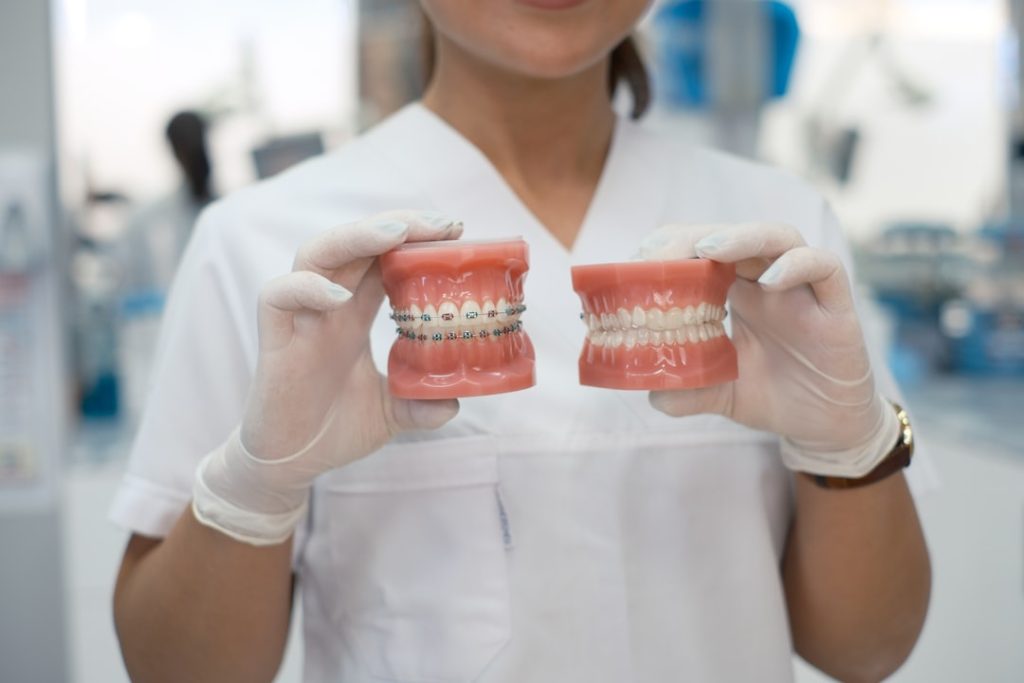
- Fixed retainers: Bonded to the back of your teeth, invisible and impossible to lose. Great for those who might forget removable options.
- Removable retainers: Clear or wire, these can be taken out for eating and cleaning. But beware—losing them or skipping wear can undo months (or years) of treatment.
Hong Kong orthodontists, including The American Orthodontic Group, emphasize lifelong retainer use. Why? Because even after years of braces, your teeth never stop trying to move. Skipping your retainer or neglecting its care can mean extra visits, added costs, and—most frustratingly—a smile that slowly slips out of alignment.
Proper retainer care is just as important as wearing it. The American Association of Orthodontists recommends cleaning your retainer daily to prevent bacteria, plaque, and bad breath. Ultrasonic cleaners and specialized products can help, but even a gentle brush and rinse go a long way. Always remove your retainer before eating, and never wrap it in a napkin (that’s how most get lost!).
In short, the real secret to lasting results from the best orthodontics Hong Kong has to offer? Retainer discipline. It’s not glamorous, but it’s the difference between a fleeting grin and a lifelong confident smile.
Retainer Care Isn’t Just About Looks (Or: I Swear I Didn’t Mean to Dye Mine Blue)
If you think retainer care is just about keeping your smile looking sharp, think again. Orthodontists in Hong Kong and the American Association of Orthodontists (AAO) agree: proper retainer cleaning methods are essential for your oral health, not just aesthetics. Let’s get real—neglecting your retainer can turn it into a bacteria magnet, leading to bad breath, discoloration, and even potential damage to your teeth and gums.
Daily cleaning is your best defense. Research shows that bacteria and plaque buildup can skyrocket if you skip even a day. That funky retainer odor? It’s not just embarrassing—it’s a sign of bacteria and plaque buildup that could put your oral health at risk. The AAO’s Retainer Care Guide and orthodontists Hong Kong-wide recommend cleaning your retainer every day, ideally with products designed for the job.
- Skip harsh toothpaste and boiling water. These can damage your retainer’s material and shorten its lifespan. Instead, use gentle, retainer-safe cleaning products like cleaning tablets or mild soap. If you’re into gadgets, ultrasonic cleaners are gaining popularity for their thorough, gentle cleaning—definitely not just a gimmick.
- Don’t wear your retainer while eating. Unless you enjoy finding yesterday’s spinach stuck in there, always remove your retainer before meals. The AAO and The American Orthodontic Group stress that you should only drink water with your retainer in place.
- Inspect your retainer regularly. If it’s warped, cracked, or just feels ancient, it’s time to ask your orthodontist about a replacement. A damaged retainer can’t do its job and might even harm your teeth.
Proper retainer maintenance tips also include storing your retainer in its case when not in use and keeping it away from heat sources. Remember, “Think of your retainer like your favorite pair of sneakers—they need regular cleaning or you’re just asking for trouble.”
‘Think of your retainer like your favorite pair of sneakers—they need regular cleaning or you’re just asking for trouble.’ – Dr. Chan (The American Orthodontic Group)
Following these retainer cleaning methods and using the right retainer cleaning products will help you keep your appliance—and your smile—fresh, functional, and free from bacteria and plaque buildup.
Pain, Payment, and Pseudo-Science: Real Talk from Top Orthodontics Hong Kong
If you’re starting orthodontic treatment, you might wonder about pain, costs, and all those trending “hacks” online. Let’s break down what top orthodontists in Hong Kong really want you to know—no sugarcoating, just facts.
Managing Orthodontic Pain: What’s Normal?
Most brace-related pain is temporary. Think of it like the soreness after your first hot yoga class—uncomfortable at first, but it fades within a few days. Research shows that discomfort usually peaks in the first 24-48 hours after adjustments, then eases off. If pain lingers or feels severe, don’t tough it out—call your orthodontist. Hong Kong orthodontic practices prioritize patient comfort, so you’re never expected to suffer in silence.
Orthodontic Payment Plans: Flexible Options in Hong Kong
Worried about the cost? You’re not alone. The best orthodontists Hong Kong has to offer, like The American Orthodontic Group, provide flexible payment plans. Typical options include a down payment followed by 12-24 monthly installments—often interest-free. This approach makes orthodontic treatment benefits accessible without overwhelming your budget. Always ask about payment plans before you start; transparency is key, and reputable clinics are happy to discuss your options.
Pseudo-Science and Viral Trends: The Truth About “Mewing”
Tempted by TikTok jawline fads like “mewing”? Here’s the reality: most claims are exaggerated, and there’s little scientific evidence to back them up. The American Association of Orthodontists cautions that online trends like mewing or chewing challenges lack rigorous research. For real results, trust professional guidance over social media hype. As Dr. Wong from The American Orthodontic Group puts it:
“A confident, healthy smile is an investment worth protecting—don’t gamble it on internet hacks.”
Vaping Effects on Oral Health: A Risk Not Worth Taking
Vaping may seem harmless, but research shows it can damage your gums, slow healing, and even lead to tooth loss. For anyone undergoing orthodontic treatment, vaping effects on oral health are especially concerning—it can compromise your results and your overall well-being. Your smile is worth more than a fleeting trend.
Remember, the top orthodontist Hong Kong clinics focus on your comfort, affordability, and long-term health. When in doubt, ask questions and rely on expert advice—not viral videos.
Break the Mold: How to Outsmart Orthodontic Setbacks Between Visits
If you think your orthodontic journey ends the day your braces come off, think again. The real secret to lasting results lies in what you do between visits. Daily vigilance is the foundation of long-term orthodontic success, and your actions—big or small—can make all the difference. Let’s get real about the steps you need to take to keep your smile in check and avoid common setbacks.
First, let’s talk about retainer maintenance tips. Your retainer is your best friend after orthodontic treatment. Always keep it in its case when not in use—never wrapped in a napkin or tossed on the counter. It’s a simple habit, but it prevents accidental damage and keeps curious pets at bay. Research shows that lost or broken retainers are a leading cause of unwanted teeth shifting. In fact, teeth can start to move out of alignment in as little as a month without a properly fitting retainer. If you lose or damage yours, act fast. Contact your orthodontist immediately for a replacement to prevent undoing months or even years of progress.
Oral health between visits is just as important as it was during active treatment. Brushing and flossing should remain part of your daily routine, even after your braces are off. Gums and enamel are still at risk for plaque buildup, cavities, and gum disease. Clean your retainer daily with the right products—never hot water or harsh chemicals—to avoid bacteria and discoloration. Ultrasonic cleaners and specialized solutions can make this easier and more effective.
Don’t underestimate the value of regular check-ups with your orthodontist. These visits aren’t just about checking wires or retainer fit—they’re a first line of defense against costly setbacks. Your orthodontist can spot tiny issues before they become big problems, from subtle teeth shifting to early signs of retainer damage. As Dr. Ho from The American Orthodontic Group puts it:
‘Every skipped appointment and lost retainer is a step back on your smile journey. Stay on track!’
Ultimately, you play the most important role in teeth shifting prevention and retainer damage prevention. By staying proactive and prioritizing your oral health, you’ll ensure your investment—and your smile—lasts for years to come. If you’re searching for trusted orthodontists in Hong Kong, remember: your commitment between visits is what truly breaks the mold.
You don’t need to chase social media trends to keep your smile healthy—instead, focus on honest care and regular check-ins with trusted Hong Kong orthodontists. Retainer hygiene, pain management, and a few debunked myths are your best defense.