I grew up dreading trips to the orthodontist. My best friend wore headgear that looked straight out of a sci-fi movie, making me secretly hope my teeth would behave. Fast forward to 2025: not only is my teenage terror irrelevant, but orthodontics has flipped the script—it’s not all about appearances. In fact, the real reasons you might need braces or aligners have less to do with yearbook photos and more with lifelong health and confidence. Here’s what nobody told us in those awkward waiting rooms…
Beyond Vanity: Why Bite Issues Deserve Real Attention
When you think about orthodontic bite issues, it’s easy to imagine they’re all about looks. But the truth is, problems like deep bites and crossbites go far beyond vanity. These issues can lead to real health complications—jaw pain, gum recession, abnormal tooth wear, and even trouble chewing.
“A beautiful smile is healthy first—cosmetic improvements are just the icing.”
Understanding Orthodontic Bite Issues
Orthodontic bite issues include deep bites, crossbites, and jaw misalignment. These are not just cosmetic concerns. For example, a deep bite happens when your upper front teeth cover your lower front teeth too much. This can cause:
- Accelerated tooth enamel wear
- Gum recession
- Jaw discomfort
- Increased risk of chipping front teeth
Similarly, a crossbite occurs when your upper teeth fit inside your lower teeth. If left untreated, crossbites can lead to:
- Tooth damage
- Jaw misalignment
- Facial asymmetry
- Improper chewing
Real-Life Impact: More Than Just Aesthetics
Let’s make it personal. My college roommate had a crossbite she thought was “no big deal.” She skipped orthodontic treatment, thinking it was just about her smile. By junior year, she was popping ibuprofen daily for jaw headaches. Eventually, she needed more complex dental work—costly and time-consuming. Her story is a reminder: ignoring orthodontic jaw misalignment can mean paying much more later, not just for looks but for your health and comfort.
Health Risks of Untreated Bite Issues
Research shows that untreated bite problems can spiral into bigger health concerns:
- Accelerated tooth wear: Deep bites can wear down enamel quickly, making teeth more likely to chip or break.
- Jaw discomfort: Misaligned bites put extra stress on your jaw joints, leading to pain and even chronic headaches.
- Gum recession: Abnormal bite pressure can cause gums to recede, exposing roots and increasing the risk of tooth loss.
- Chewing problems: Misalignment can make it difficult to chew food properly, impacting digestion and nutrition.
Why Early Attention Matters
Effective case acceptance isn’t just about a straighter smile—it’s about understanding the health impacts. Orthodontic treatment options today are more comfortable and discreet than ever, from traditional braces to Invisalign. Addressing orthodontic bite issues early can prevent costly dental repairs and improve your quality of life.
Remember, orthodontic patient volume is rising as more people realize the true value of correcting bite issues. Don’t wait until discomfort or damage forces your hand—consult an orthodontist to protect both your smile and your health.
New Tech, New Choices: From Metal Braces to Clear Aligners (and What’s Actually Popular)
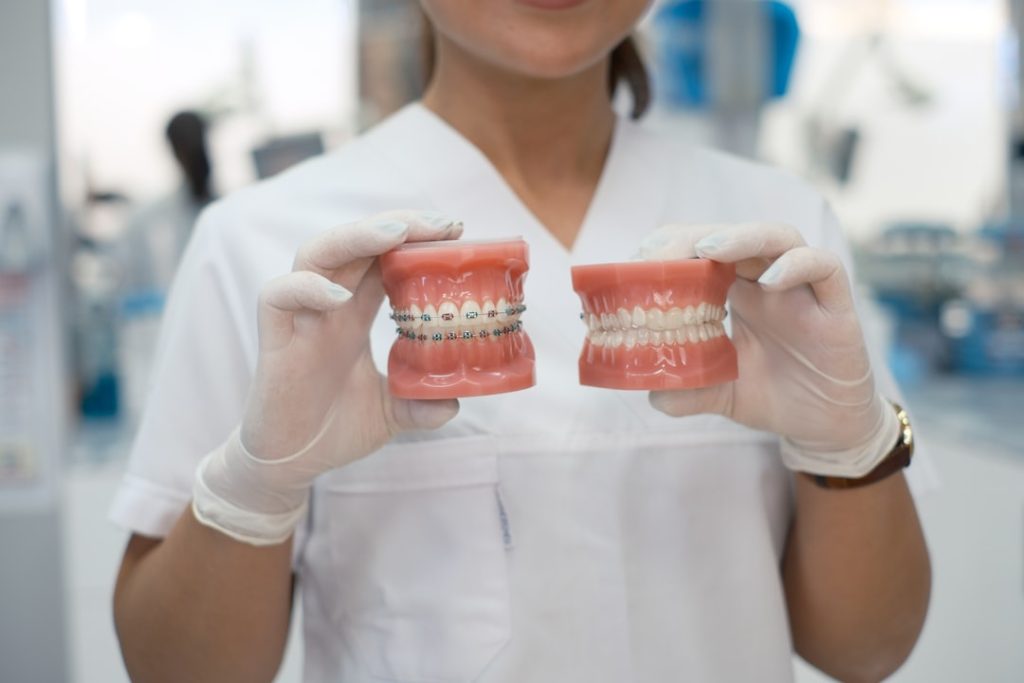
When you think of orthodontic treatment, you might picture the classic “train track” metal braces. But in 2025, braces innovations and orthodontic technology advancements are giving you more choices than ever—each with unique benefits for your smile and your lifestyle.
Traditional Braces: Still Going Strong (and Getting Smarter)
It may surprise you, but orthodontic traditional braces are making a comeback. In the past two years, requests for metal braces have jumped by 25–30%. Why? Today’s metal braces are lighter, sleeker, and more comfortable than ever before. Modern designs use smaller brackets and advanced wires that gently guide teeth into place with less discomfort and fewer office visits.
For complex bite issues—like deep bites, crossbites, or severe crowding—traditional braces remain the gold standard. They’re highly effective, reliable, and now more affordable thanks to new materials and streamlined digital workflows. Patients who want a tried-and-true solution, or who need major corrections, often choose this route.
Clear Aligners: The Invisible Revolution
Clear aligners, such as Invisalign, have transformed orthodontics. According to 2024 data, about 70% of U.S. orthodontic cases now use clear aligners. These custom-made, removable trays are nearly invisible—making them especially popular among adults and teens who want a discreet option.
“Clear aligners have democratized orthodontic care—adults feel less self-conscious, teens less worried about yearbook photos.”
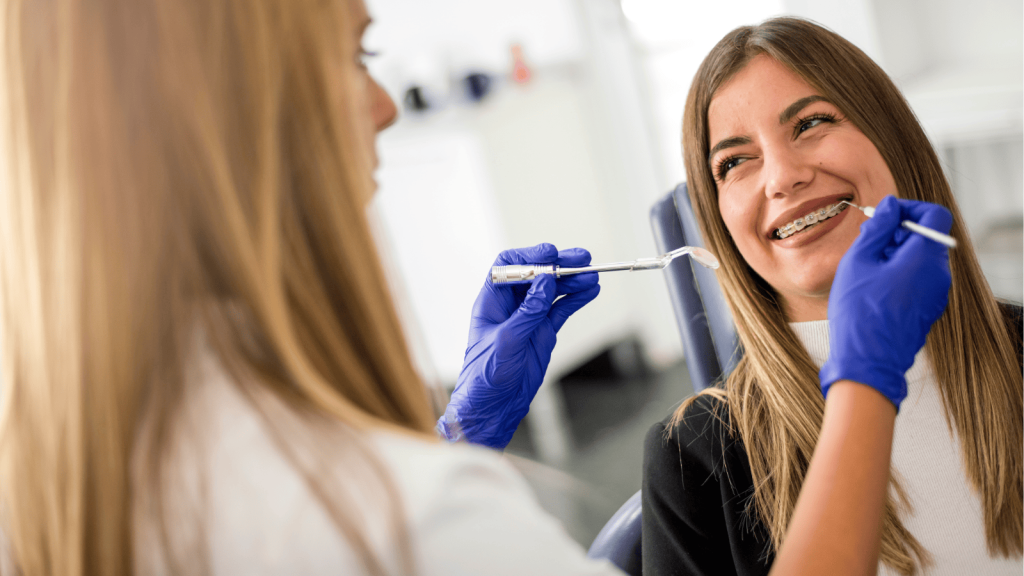
Clear aligners are ideal for mild to moderate misalignments, and advances in orthodontic clear aligners mean they can now tackle more complex cases, too. You can remove them for eating, brushing, and special occasions, which makes maintaining oral hygiene much easier compared to traditional braces.
Tech-Driven Treatment: Faster, Friendlier, and More Precise
Behind the scenes, orthodontic technology advancements are reshaping your treatment experience:
- 3D Printing & Digital Workflow: Orthodontists now use digital scans (no more goopy impressions!) and 3D printers to create custom appliances that fit perfectly and speed up treatment.
- Teleorthodontics: Virtual check-ins and remote monitoring let you stay on track without frequent office visits, making care more convenient and accessible.
- Global Innovation: Groups like Hong Kong’s American Orthodontic Group are pushing the boundaries of clear aligner technology, bringing the latest advances to patients worldwide.
What’s Actually Popular in 2025?
- Clear Aligners: 70% of new cases in the U.S.
- Metal Braces: Demand up 25–30%—especially among teens and those needing major corrections.
- Hybrid & Custom Appliances: Digital workflows allow for personalized, affordable solutions tailored to your unique needs.
With the global orthodontics market projected to reach $7.4 billion in 2025, it’s clear that more patients are seeking both cosmetic and health-driven solutions. Whether you choose traditional braces or the latest clear aligners, today’s braces innovations 2025 mean you can achieve a healthier, happier smile—on your terms.
Braces, Bumps, and Myths: What It’s Really Like (and Why Oral Hygiene Still Reigns Supreme)
When you first hear about braces or clear aligners, it’s easy to imagine a long, uncomfortable journey filled with pain and endless appointments. The truth? Orthodontic discomfort expectations are far less daunting than the myths suggest. Yes, there’s some pressure and mild soreness—especially after your initial fitting or adjustment—but most people find the discomfort fades within days. Soft foods, a little ice cream, and over-the-counter pain relievers can make those first few days much easier.
What really matters throughout your orthodontic treatment is your commitment to oral hygiene. Braces and aligners create new nooks and crannies where food and plaque can hide, making brushing and flossing more important than ever. Specialized orthodontic cleaning tools, like interdental brushes and floss threaders, become essential allies in your daily routine. Skipping these steps can lead to cavities, gum inflammation, or even permanent enamel damage—problems that can outlast your time in braces. Simply put, orthodontic oral hygiene isn’t optional; it’s the foundation of a healthy, beautiful smile that lasts.
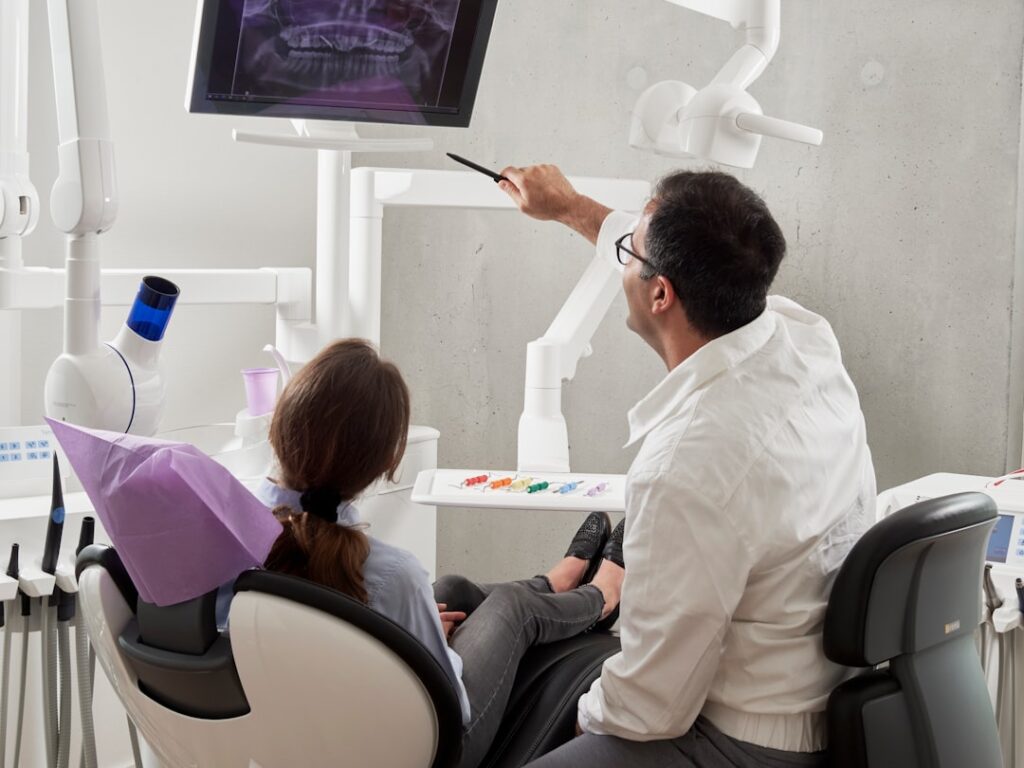
Another common concern is how long orthodontic treatment will last. Orthodontic treatment duration depends on your unique needs. Minor corrections might be finished in as little as 6-12 months, while more complex cases can take up to 24 months. Your orthodontist will outline a personalized plan and timeline during your initial consultation, so you’ll know exactly what to expect. Remember, your orthodontist is your co-pilot—there to answer questions, adjust your treatment, and offer tips for cleaning around wires and brackets.
Worried about the cost? You’re not alone. Cost and confusion about the process are among the top reasons people hesitate to start treatment. The good news is that orthodontic financing options are more accessible than ever. Practices like Dickerson Dental Group and the American Orthodontic Group offer flexible payment plans, making it easier to invest in your oral health without breaking the bank. With case acceptance rates averaging 64.4% in the US, understanding your options and having open conversations about payment can make all the difference in starting—and finishing—your orthodontic journey.
Modern orthodontics isn’t just about straightening teeth—it’s about improving your overall health and confidence. Today’s braces and aligners are more comfortable and effective, and advances in technology mean less pain and better results. The key is staying informed, maintaining excellent hygiene, and partnering with your orthodontist for personalized care. If you’re ready to take the next step, a consultation can answer your questions and set you on the path to a healthier, happier smile. Remember, the journey may have a few bumps, but with the right care, your smile will shine brighter than ever.
Bite problems are serious business—way beyond how you look. From clear aligners to next-gen braces, your options are vast and more affordable than ever. Don’t shy away from consultation; expert orthodontists in Hong Kong can tailor a plan that puts real health—and a winning smile—front and center.