Key Takeaways
- Early signs of orthodontic problems include crowded teeth, gaps, and bite issues
- Age 7 is the recommended time for a child’s first orthodontic evaluation
- Adults can benefit from braces at any age
- Professional evaluation is essential for accurate diagnosis
- Modern orthodontic treatments offer many discreet options
Early Warning Signs of Orthodontic Problems
Physical Signs in the Mouth
When you look in the mirror or examine your child’s teeth, several visual cues can indicate the need for orthodontic treatment. Crowded teeth are one of the most obvious signs. If teeth appear twisted, overlapping, or pushed together, there simply isn’t enough room in the mouth for proper alignment.
Gaps between teeth present another clear indicator. While small spaces might seem harmless, larger gaps can affect your bite and make cleaning difficult. These spaces often occur when teeth are too small for the jaw or when teeth are missing.
You should also watch for teeth that stick out prominently. Upper front teeth that protrude significantly beyond the lower teeth create both functional and aesthetic concerns. This condition, called an overjet, can make teeth more vulnerable to injury and affect your confidence.
Bite Problems That Signal Need for Treatment
Your bite refers to how your upper and lower teeth come together when you close your mouth. Several bite issues indicate orthodontic treatment may be necessary.
An overbite occurs when your upper teeth cover too much of your lower teeth when biting down. While a small overbite is normal, excessive overlap can cause problems with chewing and speaking.
Underbites happen when your lower teeth extend beyond your upper teeth. This condition can make it difficult to bite and chew food properly and may cause jaw pain over time.
Crossbites involve teeth that don’t align properly from side to side. Some upper teeth may sit inside the lower teeth instead of outside, creating an uneven bite that can lead to tooth wear and jaw problems.
An open bite means your front teeth don’t touch when you close your mouth, leaving a gap. This condition can make it challenging to bite into foods and may affect speech.
Functional Difficulties
Beyond visual signs, pay attention to functional problems that might indicate orthodontic issues. Difficulty chewing or biting food properly often signals bite problems that braces can correct.
Speech difficulties, particularly trouble pronouncing certain sounds, may stem from tooth positioning. While not all speech issues relate to teeth alignment, some can improve with orthodontic treatment.
Frequent cheek or tongue biting usually happens when teeth don’t align properly. If you or your child regularly bite the inside of the cheek or tongue, orthodontic evaluation may help.
Jaw pain or clicking sounds when opening and closing the mouth can sometimes relate to bite problems. While these symptoms have various causes, orthodontic treatment may provide relief in some cases.
Age-Specific Considerations
When to Evaluate Children
The American Association of Orthodontists recommends that children receive their first orthodontic evaluation by age 7. At this age, enough permanent teeth have emerged to identify potential problems, but there’s still time for early intervention.
Early treatment doesn’t always mean immediate braces. Sometimes orthodontists recommend waiting and monitoring development. However, certain conditions benefit from early intervention, such as severe crowding, crossbites, or habits like thumb sucking.
Signs that your child might need early evaluation include losing baby teeth much earlier or later than average, difficulty chewing or biting, mouth breathing, or thumb sucking beyond age 5.
Adult Orthodontic Needs
Many adults assume they’ve missed their opportunity for orthodontic treatment, but age doesn’t disqualify you from braces. Adult treatment has become increasingly common, with about 25% of orthodontic patients being adults.
Adult orthodontic needs often differ from children’s. Adults may seek treatment for aesthetic reasons, to address problems that developed over time, or to prepare for other dental work like implants or crowns.
Gum disease and bone loss can complicate adult treatment, making professional evaluation even more important. A qualified orthodontist can determine whether your oral health supports orthodontic treatment.
Professional Evaluation Process
What to Expect During an Orthodontic Consultation
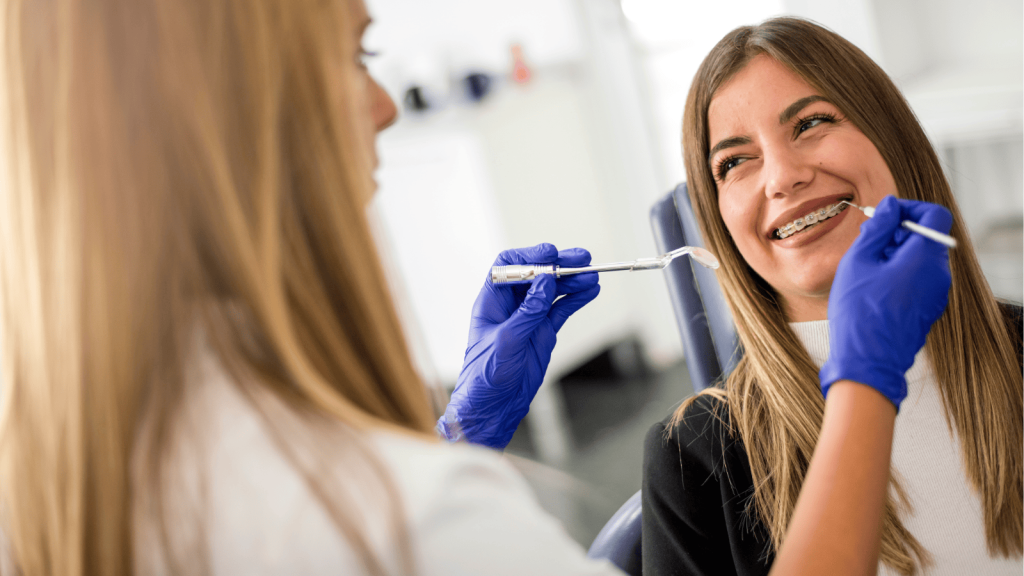
During your initial consultation, the orthodontist will examine your teeth, bite, and jaw alignment. They’ll look for the signs mentioned earlier and assess your overall oral health.
X-rays provide crucial information about tooth roots, jaw bone, and any teeth that haven’t erupted yet. These images help orthodontists plan treatment and identify potential complications.
Photos and impressions create a detailed record of your current tooth positions. Some offices use digital scanners instead of traditional impression materials for greater comfort and accuracy.
The orthodontist will discuss their findings with you, explain any problems they’ve identified, and recommend treatment options if needed. They’ll also provide cost estimates and timeline information.
Questions to Ask During Your Consultation
Come prepared with questions about treatment options, duration, and costs. Ask about different types of braces or aligners and which might work best for your situation.
Inquire about the orthodontist’s experience and credentials. Look for specialists who have completed additional training beyond dental school and maintain active membership in professional organizations.
Understanding the treatment timeline helps you plan accordingly. Ask about appointment frequency, what to expect during treatment, and how to maintain good oral hygiene with braces.
Modern Treatment Options
Traditional and Advanced Braces
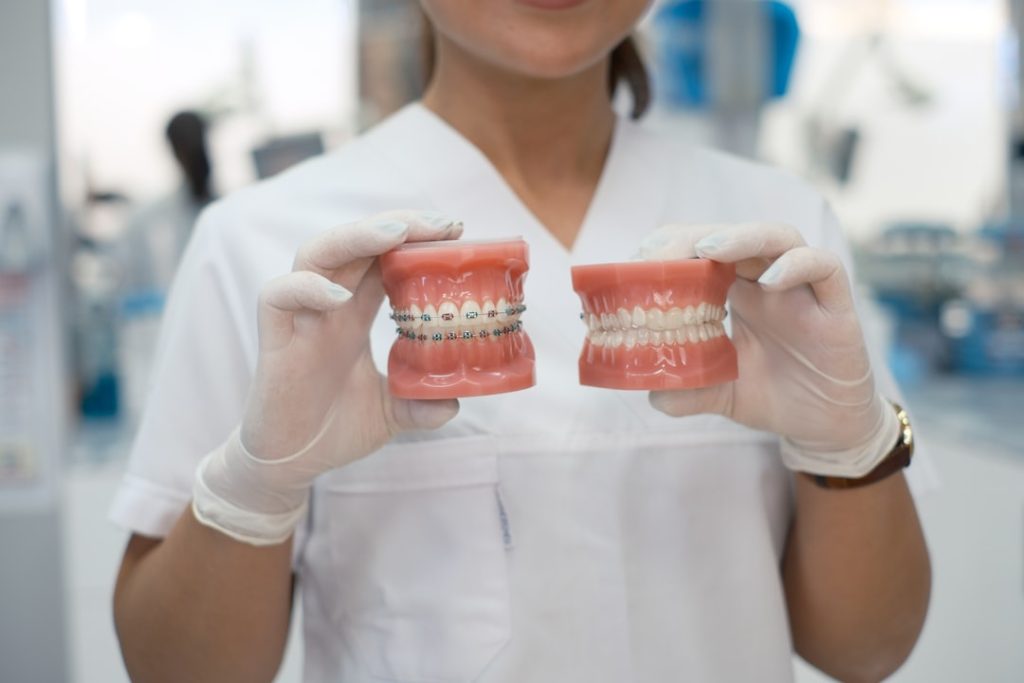
Metal braces remain effective and affordable, though modern versions are smaller and more comfortable than in the past. Clear or tooth-colored brackets offer a less noticeable alternative.
Lingual braces attach to the back of teeth, making them virtually invisible from the front. However, they can be more challenging to clean and may affect speech initially.
Self-ligating braces use special clips instead of elastic bands to hold wires, potentially reducing treatment time and discomfort.
Clear Aligner Therapy
Clear aligners like Invisalign provide a nearly invisible treatment option for many orthodontic problems. These removable trays gradually move teeth into proper position.
Aligners work well for mild to moderate crowding, spacing, and certain bite issues. However, they’re not suitable for all orthodontic problems and require excellent patient compliance.
The removable nature of aligners allows normal eating and easier oral hygiene, but they must be worn 20-22 hours daily for effective treatment.
Finding the Right Orthodontic Care
Choosing a Qualified Provider
When selecting an orthodontist, look for specialists who have completed an accredited orthodontic residency program. This additional training beyond dental school focuses specifically on tooth movement and jaw alignment.
The American Orthodontic Group provides comprehensive orthodontic services with experienced specialists who stay current with the latest treatment techniques and technologies. Their team understands that each patient has unique needs and works to create personalized treatment plans.
Consider factors like office location, appointment availability, and payment options when choosing a provider. The best orthodontic clinic for you combines clinical expertise with convenient service and clear communication.
Insurance and Financial Considerations
Many dental insurance plans provide orthodontic coverage, though benefits and limitations vary. Ask about your coverage before beginning treatment and understand any waiting periods or age restrictions.
Most orthodontic offices offer payment plans to make treatment more affordable. Some provide in-house financing, while others work with third-party financing companies.
The cost of delaying treatment sometimes exceeds the cost of addressing problems early. Orthodontic issues often worsen over time, potentially requiring more complex and expensive treatment later.
Frequently Asked Questions
Q: At what age should my child first see an orthodontist?
A: The American Association of Orthodontists recommends an initial evaluation by age 7. This allows orthodontists to spot problems early and determine the best timing for treatment.
Q: Can adults get braces?
A: Absolutely. About one in four orthodontic patients is an adult. Healthy teeth can be moved at any age, though adult treatment may take longer than child treatment.
Q: How long does orthodontic treatment typically take?
A: Treatment duration varies depending on the complexity of your case, but most treatments last 18-24 months. Simple cases may take less time, while complex problems might require longer treatment.
Q: Do braces hurt?
A: You may experience some discomfort when braces are first placed or adjusted, but this usually subsides within a few days. Over-the-counter pain relievers can help manage any discomfort.
Q: How much do braces cost?
A: Orthodontic treatment costs vary based on the type of braces, treatment complexity, and geographic location. Most orthodontists offer consultation to discuss costs and payment options.
Q: Can I still play sports with braces?
A: Yes, but you should wear a protective mouthguard during contact sports. Your orthodontist can recommend appropriate protection for your specific situation.
Recognizing the signs that indicate you or your child might need braces is the first step toward achieving a healthy, beautiful smile. From crowded teeth and bite problems to functional difficulties with chewing or speaking, various indicators suggest orthodontic evaluation may be beneficial.
Remember that orthodontic problems rarely improve on their own and often worsen over time. Early evaluation and treatment, when appropriate, can prevent more serious issues and reduce overall treatment complexity.
Whether you’re considering treatment for yourself or your child, consulting with a qualified orthodontist provides the professional assessment needed to make informed decisions about your oral health. Modern orthodontic treatments offer numerous options to fit different lifestyles and preferences, making it easier than ever to achieve the smile you’ve always wanted.
Don’t let uncertainty about whether you need braces prevent you from exploring your options. A consultation with an experienced orthodontist can answer your questions and help you understand the benefits of treatment for your specific situation.