Discover how often you should visit the best orthodontist Hong Kong has to offer during your treatment. Learn scheduling tips, what to expect, and how to maximize your orthodontic results.
Key Takeaways
- Most orthodontic patients need appointments every 4-8 weeks during active treatment
- Visit frequency depends on your specific treatment type and progress
- Regular visits are crucial for successful treatment outcomes and shorter overall treatment time
- Missing appointments can extend your treatment duration significantly
- Emergency visits may be needed between regular appointments for urgent issues
- Retainer phase requires less frequent visits, typically every 3-6 months
Understanding Your Orthodontic Treatment Schedule
When you begin orthodontic treatment, one of the first questions you’ll have is how often you need to visit your orthodontist. The answer isn’t the same for everyone, as your visit schedule depends on several important factors that your orthodontist will consider when creating your personalized treatment plan.
Your orthodontist will evaluate your specific case, including the complexity of your bite issues, the type of appliances you’re using, and how your teeth respond to treatment. This evaluation helps determine the ideal spacing between your appointments to ensure you get the best possible results in the shortest time frame.
Typical Visit Frequency During Active Treatment
Traditional Braces Appointments
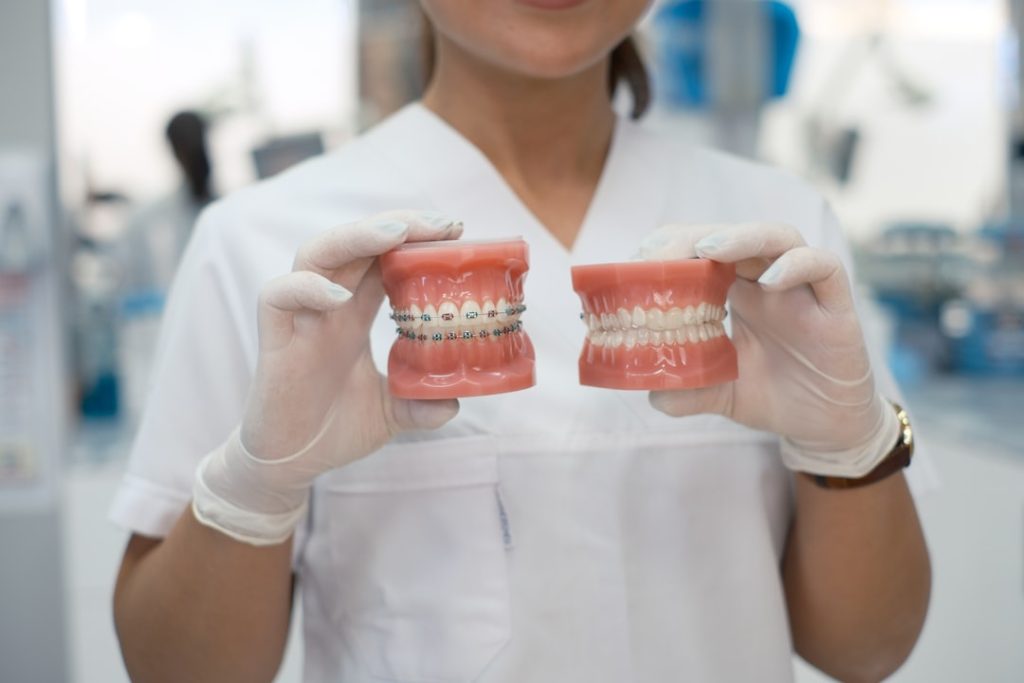
If you’re wearing traditional metal or ceramic braces, you’ll typically visit your orthodontist every 4-6 weeks. During these appointments, your orthodontist will make adjustments to your braces, including tightening wires, changing rubber bands, or replacing brackets if needed.
These regular visits are essential because your teeth gradually shift into their new positions over time. Your orthodontist needs to monitor this progress and make necessary adjustments to keep your treatment on track. Without these regular check-ups, your treatment could stall or even move in the wrong direction.
Clear Aligner Treatment Schedule
Clear aligner treatments like Invisalign often require visits every 6-8 weeks. Since you’ll be changing your aligners at home according to your orthodontist’s instructions, these appointments focus on monitoring your progress and ensuring your teeth are moving as planned.
Your orthodontist will check that your aligners fit properly and that your teeth are tracking correctly with the treatment plan. They may also need to place or remove attachments, file between teeth, or make other adjustments to optimize your results.
What Happens During Your Regular Orthodontic Visits
Progress Monitoring and Adjustments
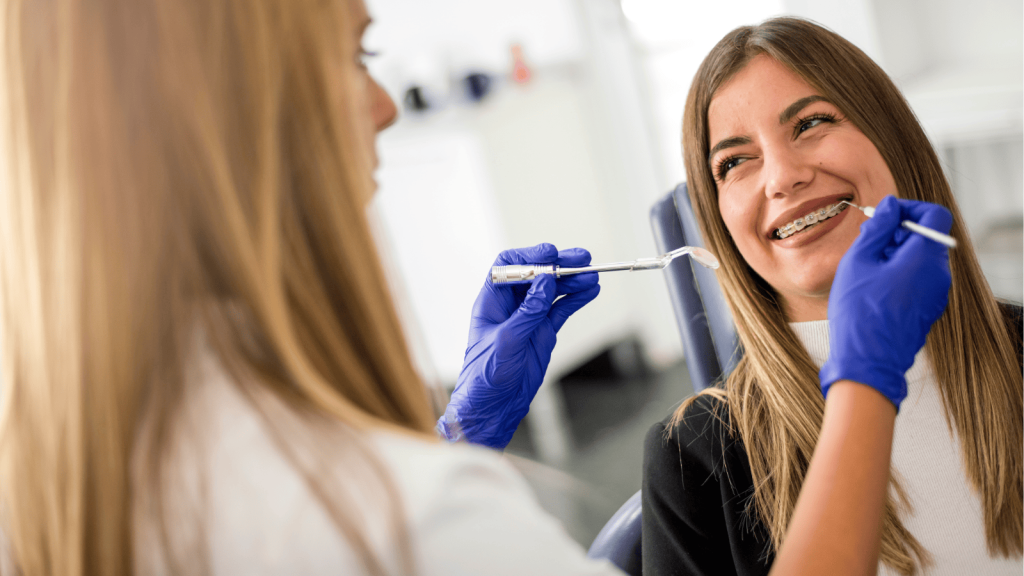
Each visit begins with your orthodontist examining your teeth and bite to assess how well your treatment is progressing. They’ll look for signs that your teeth are moving correctly and check for any issues that might need attention.
For braces patients, this usually involves adjusting the tension on your wires, replacing worn elastic bands, or making other modifications to continue guiding your teeth into their proper positions. Your orthodontist might also take progress photos or impressions to document your improvement.
Oral Health Assessment
Your orthodontist will also check the health of your teeth and gums during each visit. Orthodontic appliances can make it more challenging to clean your teeth thoroughly, so your orthodontist will look for signs of plaque buildup, tooth decay, or gum inflammation.
If they notice any oral health concerns, they’ll provide guidance on improving your cleaning routine or may recommend a visit to your general dentist for additional care. Maintaining good oral health during orthodontic treatment is crucial for achieving the best results.
Factors That Influence Your Visit Schedule
Treatment Complexity
More complex cases often require more frequent visits. If you have severe crowding, significant bite issues, or need jaw surgery as part of your treatment, your orthodontist may want to see you more often to closely monitor your progress and make precise adjustments.
Simple cases with minor alignment issues might allow for slightly longer intervals between appointments, though your orthodontist will always prioritize the schedule that gives you the best results.
Your Age and Growth Patterns
Younger patients, especially those still growing, may need more frequent visits because their teeth and jaws change more rapidly. Your orthodontist needs to monitor these changes closely and adjust treatment accordingly.
Adult patients typically have more predictable tooth movement, which may allow for slightly less frequent visits in some cases. However, adult treatment often takes longer overall, so consistent appointment attendance remains important.
Treatment Response
Some patients’ teeth move more quickly than expected, while others may respond more slowly to treatment. Your orthodontist will adjust your appointment schedule based on how your teeth are responding to ensure optimal results.
If your teeth are moving faster than anticipated, you might need more frequent visits to make necessary adjustments. If progress is slower, your orthodontist might modify your treatment plan or schedule additional appointments to address any issues.
The Importance of Keeping Your Appointments
Avoiding Treatment Delays
Missing or postponing your orthodontic appointments can significantly extend your treatment time. When you skip appointments, your teeth may continue moving in directions that are no longer optimal, or they may stop moving altogether.
Your orthodontist designs your treatment plan with specific timing in mind. Each appointment builds on the progress made since your last visit, so maintaining your schedule is crucial for staying on track toward your goal of a beautiful, healthy smile.
Preventing Complications
Regular visits allow your orthodontist to catch potential problems early, before they become more serious issues. This might include identifying brackets that are coming loose, wires that need adjustment, or oral health concerns that could interfere with your treatment.
When you visit the best orthodontist Hong Kong offers, like those at American Orthodontic Group, you benefit from experienced professionals who can quickly identify and address any issues that arise during your treatment. Their expertise in providing comprehensive dental and orthodontic services ensures you receive the highest quality care throughout your treatment journey.
Special Circumstances That May Require Additional Visits
Orthodontic Emergencies
Sometimes you may need to visit your orthodontist between regular appointments for urgent issues. These might include broken brackets, poking wires, severe discomfort, or lost aligners.
Most orthodontic offices, including American Orthodontic Group, have procedures in place to handle emergencies quickly. Don’t hesitate to call if you experience any problems that cause significant discomfort or seem to interfere with your treatment progress.
Treatment Modifications
Occasionally, your orthodontist may need to modify your treatment plan based on how your teeth are responding. This might require additional visits to implement new appliances, make significant adjustments, or take new impressions for updated aligners.
These modifications are normal parts of orthodontic treatment and help ensure you achieve the best possible results. Your orthodontist will explain any changes to your treatment plan and how they might affect your visit schedule.
Post-Treatment Retention Phase
Retainer Check-ups
After your active treatment ends, you’ll enter the retention phase, where you’ll wear retainers to maintain your new smile. During this phase, you’ll typically visit your orthodontist every 3-6 months to ensure your retainers fit properly and your teeth remain in their corrected positions.
These retention visits are crucial for long-term success. Your orthodontist will check for any unwanted tooth movement and make sure your retainers are in good condition. They may also need to adjust or replace your retainers over time.
Long-term Monitoring
Some patients benefit from annual check-ups even after their retention period ends, especially if they have a history of significant orthodontic issues. Your orthodontist will recommend a long-term monitoring schedule based on your individual needs and risk factors.
Frequently Asked Questions
Q: What happens if I miss an orthodontic appointment? A: Missing appointments can delay your treatment progress and extend your overall treatment time. Contact your orthodontist as soon as possible to reschedule. Most practices understand that emergencies happen and will work with you to find a new appointment time quickly.
Q: Can I request more frequent visits if I want faster results? A: While it might seem logical that more frequent visits would speed up treatment, teeth need time to move safely and naturally. Your orthodontist schedules appointments at optimal intervals based on biological factors. More frequent visits won’t necessarily make your teeth move faster and could potentially cause problems.
Q: How long are typical orthodontic appointments? A: Regular adjustment appointments usually last 15-30 minutes, depending on what needs to be done. Initial consultations and appointments for placing or removing appliances may take longer, sometimes up to an hour or more.
Q: What should I do if I’m traveling and can’t make my scheduled appointment? A: Contact your orthodontist’s office as soon as you know you’ll be traveling. They may be able to reschedule your appointment or provide guidance on what to do if you experience any issues while away. For extended travel, they might be able to refer you to an orthodontist in your destination area if needed.
Q: Do I need to see my regular dentist while in orthodontic treatment? A: Yes, you should continue seeing your general dentist for regular cleanings and check-ups throughout your orthodontic treatment. Your orthodontist and dentist work together to ensure your overall oral health remains excellent during treatment.
The frequency of your orthodontic visits plays a crucial role in the success of your treatment. While most patients need appointments every 4-8 weeks during active treatment, your specific schedule will depend on your individual needs, treatment type, and progress.
Working with experienced professionals who provide comprehensive dental and orthodontic services ensures you receive personalized care tailored to your unique situation. Whether you’re just beginning to research treatment options or you’re already underway with your orthodontic journey, understanding the importance of regular visits helps you make informed decisions about your oral health care.
Remember that consistent attendance at your scheduled appointments is one of the most important things you can do to ensure successful treatment outcomes. Your orthodontist’s expertise, combined with your commitment to following their recommendations, creates the foundation for achieving the beautiful, healthy smile you deserve.
By maintaining your appointment schedule and following your orthodontist’s guidance, you’re investing in not just the appearance of your smile, but also your long-term oral health and confidence. The time you spend in treatment now will provide benefits that last a lifetime.