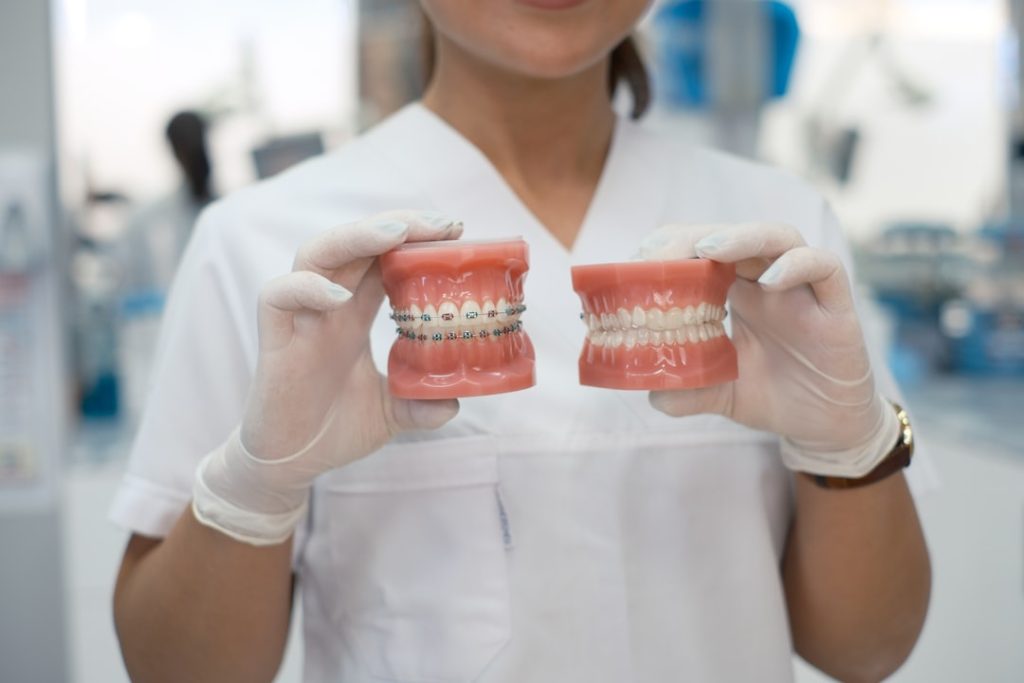
Discover the key differences between dentists and orthodontists to find the best orthodontist Hong Kong has to offer for your dental needs. Learn which specialist is right for your smile goals.
Key Takeaways
Understanding the difference between dentists and orthodontists can save you time, money, and help you get the right treatment for your specific needs. While both professionals work with your teeth and oral health, they have distinct roles, training, and specialties. Dentists focus on general oral health care, including cleanings, fillings, and extractions, while orthodontists specialize specifically in correcting teeth alignment and bite issues using braces, aligners, and other corrective devices.
Knowing when to see each professional ensures you receive the most appropriate care for your situation. Whether you need routine dental maintenance or specialized teeth straightening services, choosing the right practitioner is crucial for achieving your best smile.
What Does a Dentist Do?
Your dentist serves as your primary oral healthcare provider, much like a family doctor does for your overall health. Dentists complete four years of dental school after their undergraduate degree, earning either a Doctor of Dental Surgery (DDS) or Doctor of Dental Medicine (DMD) degree.
Dentists handle a wide range of oral health services that keep your mouth healthy and functional. They perform routine cleanings and examinations, checking for cavities, gum disease, and other oral health problems. When issues arise, dentists can fill cavities, perform root canals, extract teeth, and treat gum disease.
Beyond basic care, many dentists also offer cosmetic services like teeth whitening, veneers, and dental implants. They can create crowns, bridges, and dentures to restore missing or damaged teeth. Some dentists even provide basic orthodontic services, though this varies by practice and the dentist’s additional training.
Common Dental Services Include:
- Routine cleanings and checkups
- Cavity fillings and restorations
- Root canal therapy
- Tooth extractions
- Gum disease treatment
- Teeth whitening
- Dental crowns and bridges
- Emergency dental care
What Does an Orthodontist Do?
An orthodontist is a dentist who has completed additional specialized training focused specifically on diagnosing, preventing, and correcting irregularities in teeth and jaw alignment. After completing dental school, orthodontists must complete an additional 2-3 years of specialized residency training in orthodontics.
This extra education makes orthodontists experts in understanding how teeth move, how jaws grow and develop, and how to create treatment plans that achieve optimal alignment and function. They use various appliances and techniques to gradually move teeth into proper positions and correct bite problems.
Orthodontists work with patients of all ages, from young children whose teeth and jaws are still developing to adults seeking to improve their smile and oral function. The treatments they provide often take months or years to complete, requiring ongoing monitoring and adjustments.
Orthodontic Treatments Include:
- Traditional metal braces
- Clear ceramic braces
- Invisible aligners (like Invisalign)
- Retainers
- Palatal expanders
- Functional appliances for jaw growth
- Surgical orthodontics coordination
Key Differences in Training and Expertise
The most significant difference between dentists and orthodontists lies in their level of specialized training. While all orthodontists are dentists, not all dentists are orthodontists. Think of it like the relationship between a family doctor and a heart surgeon – both are medical professionals, but one has much more specialized training in a specific area.
Dentists receive broad training in all aspects of oral health during their four years of dental school. This comprehensive education prepares them to handle the vast majority of dental problems you might encounter throughout your life.
Orthodontists, however, dedicate additional years specifically to studying tooth movement, jaw development, and facial growth. This focused training allows them to handle complex alignment issues that require specialized knowledge and skills.
The American Orthodontic Group, which provides both dental and orthodontic services, exemplifies how these two specialties can work together seamlessly. Their approach combines general dental care with specialized orthodontic expertise, ensuring patients receive comprehensive oral healthcare under one roof.
When Should You See a Dentist vs. an Orthodontist?
Visit Your Dentist When You Need:
You should see your dentist for regular preventive care, typically every six months for cleanings and checkups. Additionally, visit your dentist when you experience tooth pain, sensitivity, swollen or bleeding gums, or any other oral discomfort. Dentists handle emergencies like broken teeth, lost fillings, or severe toothaches.
If you’re interested in cosmetic improvements like teeth whitening or veneers, your dentist can often provide these services. They’re also your go-to professional for replacing missing teeth with implants, bridges, or dentures.
Visit an Orthodontist When You Have:
Consider seeing an orthodontist if you or your child has crooked teeth, gaps between teeth, an overbite, underbite, or crossbite. Other signs that orthodontic treatment might be beneficial include difficulty chewing or biting, speech problems related to tooth position, or jaw pain that might be related to alignment issues.
Many orthodontists recommend that children have their first orthodontic evaluation by age seven, even if treatment isn’t needed immediately. This early assessment allows orthodontists to monitor development and plan treatment timing for optimal results.
Adults can benefit from orthodontic treatment at any age. If you’re unhappy with your smile or experiencing functional problems related to tooth alignment, an orthodontic consultation can help determine your options.
Cost Considerations and Insurance Coverage
Understanding the financial aspects of dental and orthodontic care helps you make informed decisions about your treatment. Generally, routine dental care like cleanings, fillings, and basic procedures are more affordable than specialized orthodontic treatment.
Most dental insurance plans cover routine dental care at a high percentage, often 80-100% for preventive services and 50-80% for basic treatments like fillings. However, orthodontic coverage varies significantly between insurance plans. Some plans include orthodontic benefits, while others don’t cover these services at all.
Orthodontic treatment typically costs more than basic dental care because it requires specialized expertise, custom appliances, and extended treatment time with multiple appointments. However, many orthodontic practices offer payment plans or financing options to make treatment more accessible.
When searching for the best orthodontist Hong Kong residents can access, consider factors beyond just cost, including experience, treatment options offered, office location and hours, and patient reviews.
How These Specialists Work Together
In many cases, you’ll need both a dentist and an orthodontist to achieve optimal oral health. Your dentist maintains your overall oral health throughout orthodontic treatment, performing cleanings and addressing any issues that arise while you’re wearing braces or aligners.
Before starting orthodontic treatment, most orthodontists require that your general dentist address any existing problems like cavities or gum disease. This ensures your mouth is healthy before beginning the process of moving your teeth.
During orthodontic treatment, you’ll continue seeing your dentist for regular cleanings and checkups. They’ll work around your braces or aligners to keep your teeth and gums healthy throughout the treatment process.
Frequently Asked Questions
Can a dentist do orthodontic work? Some general dentists offer basic orthodontic services, but complex cases are best handled by trained orthodontists. If your alignment issues are severe or complicated, an orthodontist’s specialized training provides better outcomes.
How do I know if I need braces? Common signs include crooked or crowded teeth, gaps between teeth, difficulty chewing or biting, jaw pain, or speech problems. An orthodontic consultation can determine if treatment would benefit you.
At what age should my child see an orthodontist? The American Association of Orthodontists recommends children have their first orthodontic evaluation by age seven. However, treatment doesn’t always begin immediately – timing depends on individual development.
How long does orthodontic treatment take? Treatment time varies based on the complexity of your case and the type of appliances used. Most treatments take 18-36 months, though some cases may be shorter or longer.
Are there alternatives to traditional braces? Yes, options include clear ceramic braces, lingual braces (placed behind teeth), and clear aligners like Invisalign. Your orthodontist can discuss which options work best for your specific situation.
Choosing between a dentist and orthodontist doesn’t have to be an either-or decision. Both professionals play important roles in maintaining your oral health and helping you achieve your best smile. Your dentist serves as your primary oral healthcare provider, handling routine care and addressing problems as they arise. An orthodontist specializes in correcting alignment issues and bite problems that require specialized knowledge and treatment.
For optimal oral health, maintain regular relationships with both types of professionals. Your dentist will keep your teeth and gums healthy, while an orthodontist can address specific alignment concerns that impact both the appearance and function of your smile. Whether you’re seeking routine dental care or looking for the best orthodontist Hong Kong has available, understanding these differences helps you make informed decisions about your oral healthcare needs.