Key Takeaways
- Choosing between braces and Invisalign depends on your specific dental needs, lifestyle, and budget
- Both treatments can effectively straighten teeth and improve your smile
- Consultation with a professional orthodontist is crucial for making the right decision
Understanding Your Orthodontic Options
When it comes to straightening your teeth, you have more choices today than ever before. Traditional braces and Invisalign are two popular options that can help you achieve the smile you’ve always wanted. But how do you know which one is right for you?
How Braces Work
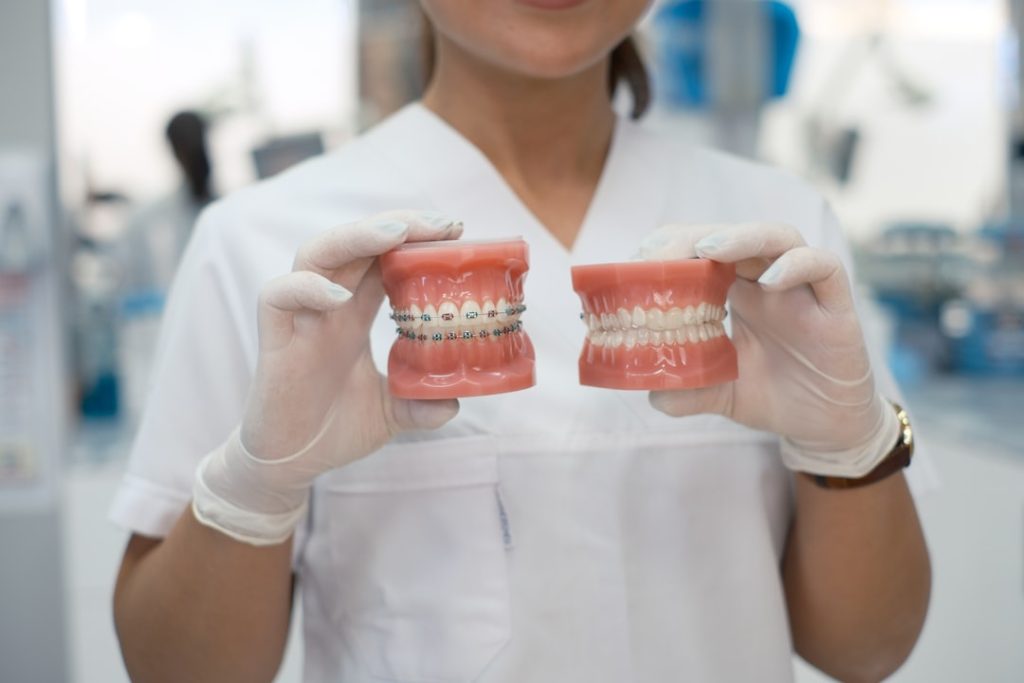
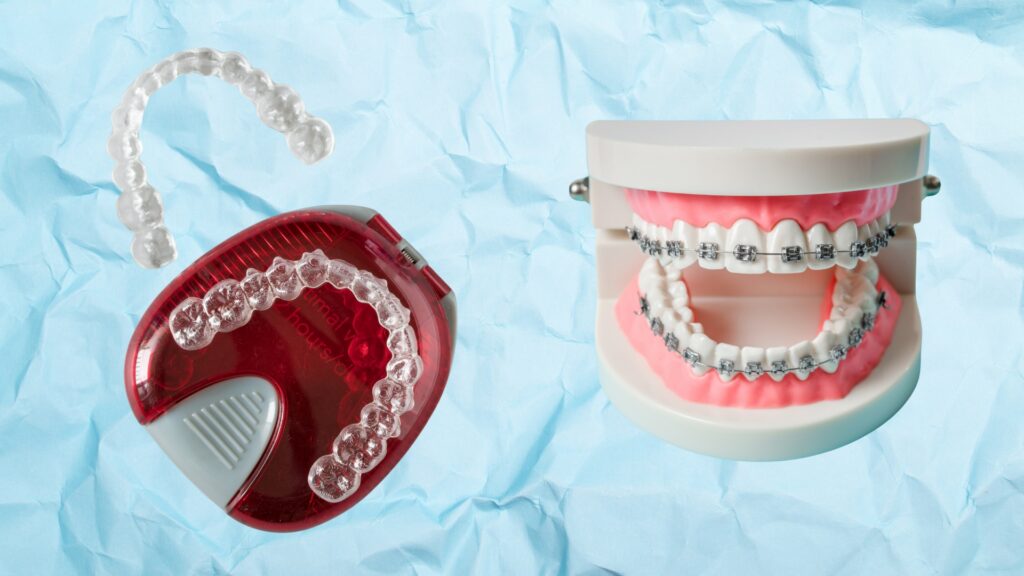
Traditional braces have been the go-to orthodontic treatment for decades. They consist of metal or ceramic brackets attached to your teeth, connected by wires that gradually move your teeth into the correct position. Here’s what you can expect:
- Metal brackets are the most visible and typically the most affordable option
- Ceramic brackets blend more naturally with your tooth color
- Lingual braces can be placed behind your teeth for a more hidden approach
Braces are particularly effective for complex dental issues like severe misalignment, significant gaps, or bite problems. They provide constant pressure to move teeth, which can be more predictable for challenging corrections.
The Invisalign Advantage
Invisalign offers a more modern approach to teeth straightening. These are clear, removable aligners custom-made to fit your teeth. The benefits include:
- Nearly invisible appearance
- Removable for eating and cleaning
- More comfortable with no brackets or wires
- Fewer dietary restrictions
If you’re worried about how braces might look or impact your daily life, Invisalign could be an excellent alternative. They’re especially popular among adults and teenagers who want a more discreet treatment option.
Cost Considerations
Your budget will play a significant role in choosing between braces and Invisalign. Generally:
- Traditional braces cost between $3,000 to $7,000
- Invisalign typically ranges from $4,000 to $8,000
- Insurance may cover a portion of either treatment
The American Orthodontic Group in Hong Kong offers comprehensive consultations to help you understand the full financial implications of each treatment option.
Treatment Time and Maintenance
Braces
- Average treatment time: 18-24 months
- Requires regular adjustments every 4-6 weeks
- Special cleaning tools needed
- Dietary restrictions (avoid sticky or hard foods)
Invisalign
- Average treatment time: 12-18 months
- Fewer in-person check-ups
- Easy to clean
- No food restrictions
- Must wear aligners 20-22 hours daily
Frequently Asked Questions
Are braces or Invisalign more painful?
Both treatments can cause some discomfort. Braces may cause more initial pain with wires and brackets, while Invisalign typically causes less discomfort but can still create pressure when changing aligners.
How do I know which option is best for me?
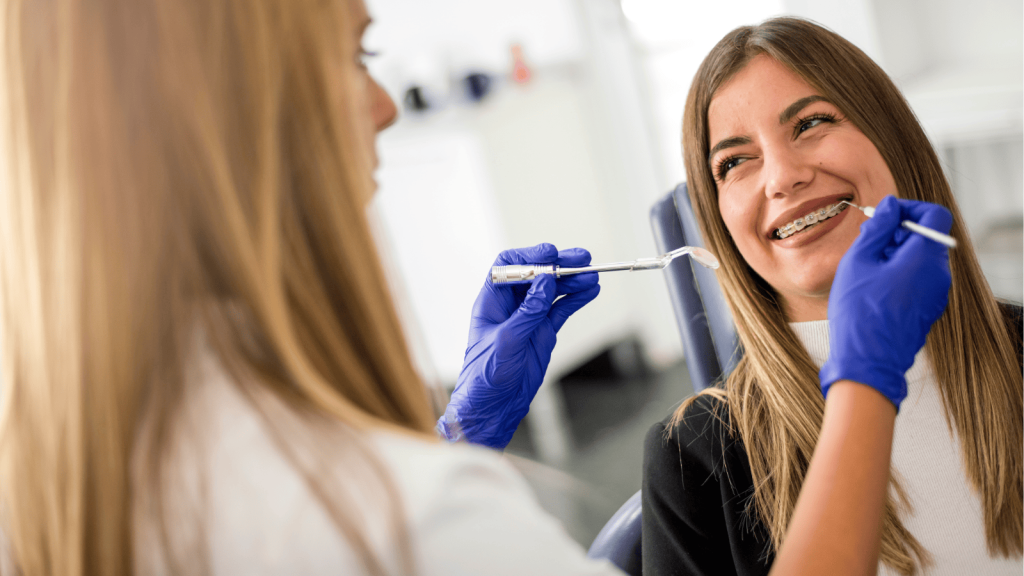
The best way to determine your ideal treatment is through a professional consultation. An orthodontist can assess your specific dental needs, lifestyle, and budget.
Can anyone get Invisalign?
Not everyone is a candidate for Invisalign. Complex dental issues might require traditional braces. A professional evaluation is crucial.
Making Your Decision
Choosing between braces and Invisalign is a personal decision that depends on several factors:
- Severity of dental misalignment
- Budget
- Aesthetic preferences
- Lifestyle considerations
Conclusion
Both braces and Invisalign offer effective ways to achieve a straighter, healthier smile. Your ideal treatment depends on your unique dental needs and personal preferences. The most important step is consulting with a professional orthodontist who can provide personalized advice tailored to your specific situation.
The American Orthodontic Group in Hong Kong can help you navigate these options, offering expert guidance to help you make the best choice for your dental health and smile transformation.