Key Takeaways
- Certain foods can damage your braces or slow down your orthodontic treatment
- Soft, easy-to-chew foods are your best friends during orthodontic treatment
- Proper nutrition and careful food choices can help protect your braces and oral health
Introduction: Navigating Nutrition with Braces
Getting braces is an exciting step towards achieving a beautiful, healthy smile. However, your diet plays a crucial role in maintaining your orthodontic appliances and ensuring successful treatment. The American Orthodontic Group in Hong Kong emphasizes that what you eat can significantly impact the effectiveness of your braces and your overall oral health.
Understanding Braces and Food Challenges
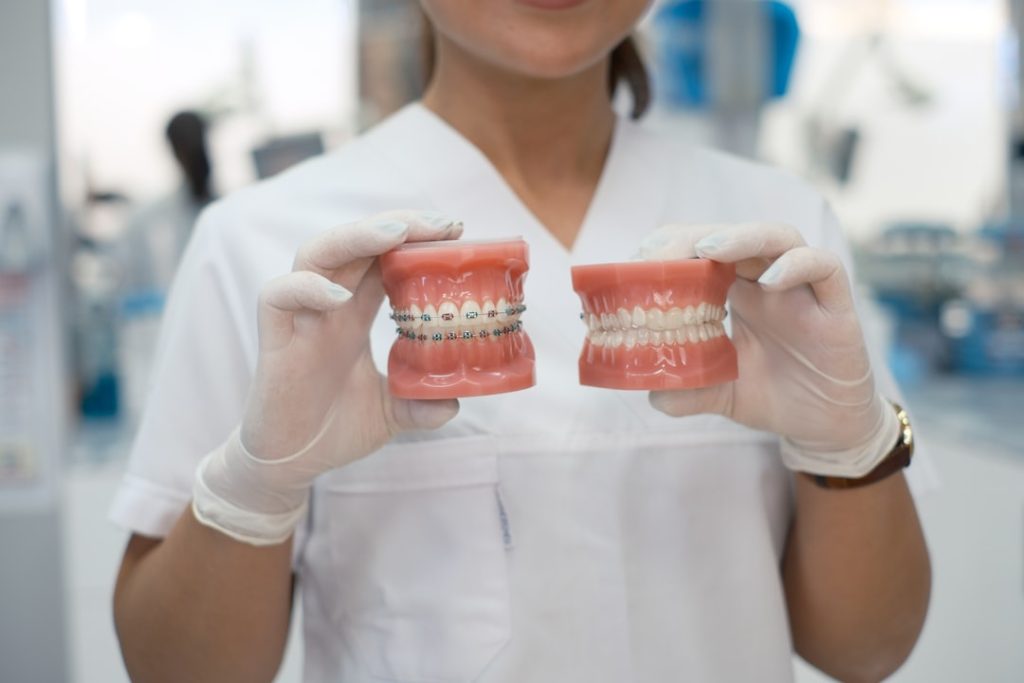
Braces are delicate appliances consisting of brackets, wires, and bands that work together to gradually shift your teeth into the correct position. These components can be easily damaged by certain foods, which is why it’s essential to be mindful of your diet. Hard, sticky, or chewy foods can potentially break brackets, bend wires, or cause other complications that might extend your treatment time.
Foods to Embrace: Braces-Friendly Eating
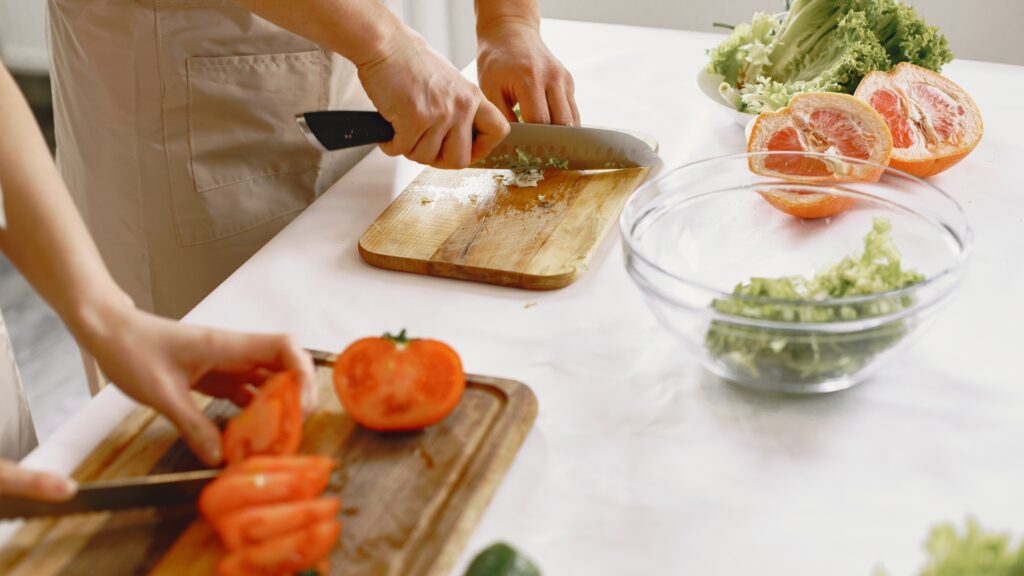
When you have braces, your diet should focus on soft, nutritious foods that are gentle on your orthodontic appliances. Here are some excellent food choices:
Soft Proteins
- Tender, well-cooked meats like shredded chicken or fish
- Soft-boiled eggs
- Tofu
- Smoothies with protein powder
- Scrambled eggs
Dairy and Alternatives
- Yogurt
- Soft cheeses
- Cottage cheese
- Milk-based smoothies
- Pudding
Fruits and Vegetables
- Mashed potatoes
- Steamed vegetables
- Applesauce
- Banana
- Soft berries
- Cooked vegetables
Grains and Starches
- Soft-cooked rice
- Pasta
- Soft bread without hard crusts
- Pancakes
- Oatmeal
Foods to Avoid: Potential Braces Hazards
Some foods can spell trouble for your braces and should be consumed with extreme caution or avoided altogether:
Hard Foods
- Nuts
- Hard candies
- Ice
- Raw carrots
- Corn on the cob
- Whole apples
- Beef jerky
Sticky and Chewy Foods
- Caramel
- Chewing gum
- Taffy
- Gummy bears
- Licorice
- Sticky candies
Crunchy Foods
- Popcorn
- Chips
- Pretzels
- Hard taco shells
- Crusty bread
- Pizza crust
Tips for Eating with Braces
- Cut food into small, bite-sized pieces
- Chew with your back teeth
- Take smaller bites
- Avoid biting directly into foods with your front teeth
- Rinse your mouth after eating
Frequently Asked Questions (FAQ)
How long do I need to modify my diet?
You’ll need to be cautious throughout your entire orthodontic treatment, which typically lasts 1-3 years.
Can I eat chocolate with braces?
Soft chocolate that melts in your mouth is usually fine. Avoid hard or sticky chocolate varieties.
What if I accidentally eat something I shouldn’t?
If you damage a bracket or wire, contact The American Orthodontic Group in Hong Kong immediately for professional advice.
How can I ensure proper nutrition?
Focus on soft, nutrient-rich foods and consider supplements if needed. Consult with your orthodontist about maintaining a balanced diet.
Conclusion: Embracing a Braces-Friendly Diet
Your diet plays a crucial role in the success of your orthodontic treatment. By being mindful of what you eat and making smart food choices, you can protect your braces, support your oral health, and move closer to achieving the beautiful smile you’ve always wanted.
Remember, temporary dietary adjustments are a small price to pay for long-lasting, stunning results. Stay patient, follow your orthodontist’s guidance, and look forward to revealing your perfect smile!