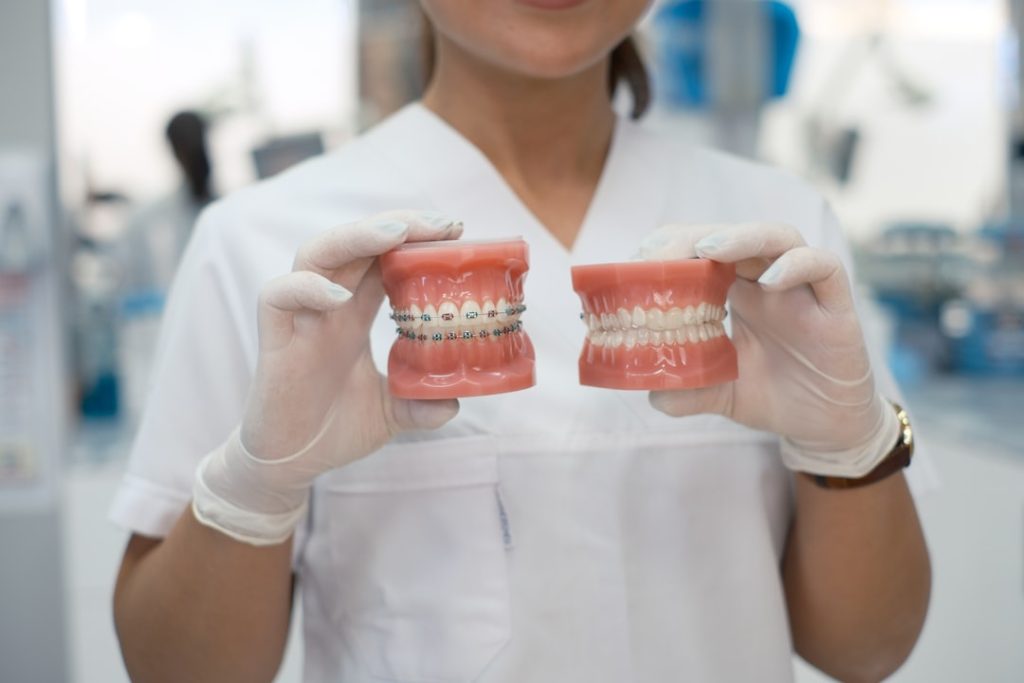
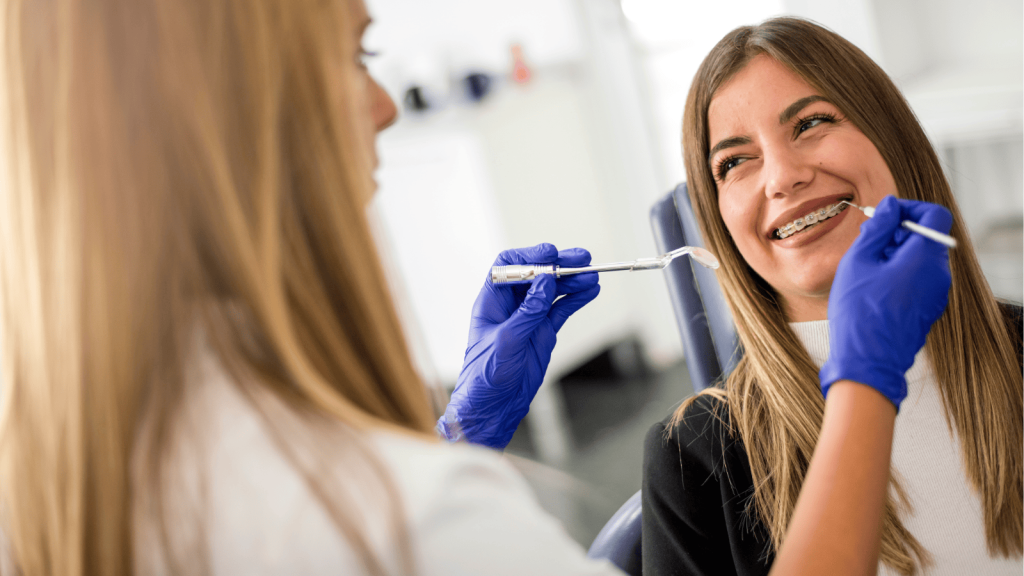
Let me tell you about the day a patient in our Hong Kong clinic grinned after trying a 3D-printed aligner—for the first time ever, she said, the fit was so perfect she forgot she was even wearing it! If you think digital dentistry is a distant future dream, think again. 3D printing is here, quietly shaking up orthodontic treatment at The American Orthodontic Group in Hong Kong and beyond. We’re talking about a genuine leap from plaster casts to precision, personalized treatments—backed by hard science and years of development. And the best part? You don’t need to be a tech wizard to bring this to your clinic (or your smile).
From Hobbyist Gadgets to Everyday Tools: The Journey of 3D Printing in Dentistry
Not long ago, 3D printing in orthodontics sounded like science fiction—reserved for hobbyists and tech enthusiasts. Fast forward to today, and it’s a daily reality in clinics across Hong Kong and beyond. What started as a futuristic novelty has become an essential tool for delivering accuracy in dental models and transforming patient care.
Think back to the days of sticky, uncomfortable dental impressions. Many dentists recall the mess and patient discomfort of traditional methods. Now, with digital intraoral scanners and 3D printers, you can skip the goo and go straight to precise, custom-fit appliances.
The real breakthrough is that digital models let us tailor every detail for each patient.
How did we get here? It all began with Charles Hull’s invention of stereolithography (SLA) in 1986, followed by Scott Crump’s fused deposition modeling (FDM) in 1990. These breakthroughs paved the way for today’s advanced additive manufacturing in dentistry. Now, you have a range of printers at your fingertips:
- SLA: The original, known for high detail and accuracy.
- DLP (Direct Light Processing): Fast, cost-effective, and ideal for orthodontic models.
- PPP (PolyJet Photopolymer): Delivers unmatched speed and surface stability—perfect for high-precision appliances.
- FFF (Fused Filament Fabrication): The budget-friendly choice for reliable model production.
- LCD: Entry-level, yet impressively accurate—almost matching industrial SLA units.
Today’s 3D printing in orthodontics isn’t just about models. Directly 3D-printed retainers are emerging as cost-effective, time-saving alternatives to traditional materials, offering patients improved comfort and aesthetics. With technologies like DLP and PPP leading the way, you can trust that your digital workflow delivers clinically accepted, reproducible results—every time.
From the first messy impressions to today’s seamless digital experience, additive manufacturing is redefining what’s possible in dental care. Embrace the power of accuracy dental models and bring the future of orthodontics into your practice—right now.
The New Workflow: Ditching the Goo for Digital Precision
Say goodbye to the days of uncomfortable, gooey dental impressions. With the latest advances in intraoral scanning and 3D printing, you can now offer your patients a workflow that’s fast, clean, and remarkably precise. Digital scans capture every detail of your patient’s smile in seconds—no more gagging or messy trays. This digital data flows seamlessly into your design software, where custom orthodontic appliances are created and sent directly to your in-house 3D printer.
Patients notice the difference right away. As one delighted patient from The American Orthodontic Group shared:
Who knew a dental appliance could be this comfortable? It’s a game-changer!
Thanks to digital workflows, the fit and comfort of 3D-printed appliances are truly next-level. Research confirms that accuracy dental models produced by all major printer types—SLA, DLP, LCD, FFF, and PPP—meet or exceed clinical standards. Whether you’re printing a solid or hollow model, or using ABO, horseshoe, or supported horseshoe designs, you can trust the results. In fact, studies show that even the layer height (from 16mm to 150mm) and model placement on the build plate have no significant effect on final accuracy.
What does this mean for your practice? You gain:
- Cost and time efficiency: 3D printing slashes turnaround times and reduces costs, letting you deliver appliances faster than ever.
- Flexible, reproducible workflows: Choose the printer and protocol that best fits your needs—accuracy remains consistent.
- Outstanding mechanical properties: Studies highlight that orthodontic aligners and appliances made with PPP, DLP, and even FFF or LCD printers are as reliable as traditional stone models.
With over 3,703 studies reviewed and 11 key low-risk trials analyzed, the science is clear: digital dental models are accurate, efficient, and ready for everyday orthodontic use. Your patients enjoy a more comfortable experience, and your clinic benefits from streamlined, modern workflows—without compromising on precision or reliability.
Smart Choices: Finding the 3D Printer (and Material) that Fits YOUR Practice
Making the leap to digital orthodontics means facing a key decision: which 3D printer and material will truly fit your workflow, budget, and patient needs? Every clinic is unique—whether you’re a solo practitioner in Hong Kong or part of a larger group, your priorities might lean toward speed, affordability, or all-out precision. Let’s break down your options for cost efficiency orthodontics and next-level orthodontic appliances using additive manufacturing.
But here’s the game-changer: resin selection matters. Always use manufacturer-recommended resins—especially for vertical accuracy. Research shows that sticking to tested materials ensures your models are as precise as possible, no matter the printer.
Investing in the right 3D printer and resin combination changed the way my practice operates.
Every clinic adapts 3D printing based on its needs. Some prioritize speed (PPP), others cost (DLP or FFF), and some value accessibility (LCD). Best practices include choosing reliable machines, following validated workflows, and using approved resins for accuracy. Continuing education programs are also helping dental professionals and students stay ahead, as 3D printing’s use in dentistry continues to rise.
Why the Scientific Rigor Matters: Separating Hype from Reality in 3D Printing
In today’s fast-evolving world of digital dentistry, it’s easy to get swept up in the excitement of new technology. But when it comes to clinical trials orthodontics and dental applications, only scientific rigor can separate true breakthroughs from passing trends. As a dental professional or student, your commitment to excellence means relying on evidence—not just hype—to guide your choices.
The 2022 systematic review published in Children (Basel) sets the gold standard for evaluating 3D printing in orthodontics. Out of 3,703 studies, only eleven in vitro trials—each with a low risk of bias—were selected. This level of scrutiny ensures that every clinical recommendation is grounded in reliable, reproducible data.
Peer-reviewed studies guide every update to our clinic’s workflow.
Why does this matter for you and your patients? Because not all digital tools deliver what they promise. Scientific vetting is essential to ensure that innovations for 3D printers truly meet the demands of modern orthodontics. The review’s findings—showing no significant impact from print layer height, model placement, or base design on accuracy—give you the confidence to innovate without compromising results. However, it also highlights the ongoing need for more well-designed clinical trials, especially for 3D-printed orthodontic retainers, to further validate these advances in real-world settings.
Decisions at reputable clinics aren’t based on fads—they’re anchored in transparent, rigorous research. By embracing this scientific mindset, you empower yourself to provide the highest standard of care, foster awareness among dental students, and lead the way in dental applications. Trust in science, and let it shape the future of your orthodontic practice.
3D printing is more than hype—it’s delivering real breakthroughs in orthodontics. From accurate models to affordable, custom appliances, practices like The American Orthodontic Group in Hong Kong are using this tech to make treatment faster, smoother, and more comfortable for everyone.