Discover when you or your child needs braces with guidance from the best orthodontist Hong Kong has to offer. Learn the warning signs, treatment options, and how to choose the right orthodontic care for your family.
Key Takeaways
- Early detection of orthodontic issues can prevent more serious problems later
- Children should have their first orthodontic evaluation by age 7
- Adult orthodontic treatment is increasingly common and effective
- Warning signs include crowded teeth, gaps, bite problems, and jaw pain
- The best orthodontist in Hong Kong will provide comprehensive evaluation and personalized treatment plans
- Modern orthodontic options include traditional braces, clear aligners, and ceramic braces
When Should You Consider Orthodontic Treatment?
Deciding whether you or your child needs braces can feel overwhelming. Many parents wonder if their child’s crooked teeth will straighten out naturally, while adults question if it’s too late to fix their smile. The good news is that orthodontic treatment can benefit people of all ages when done by a qualified professional.
The American Association of Orthodontists recommends that children have their first orthodontic screening by age 7. This doesn’t mean your child will need braces immediately, but early evaluation allows orthodontists to spot potential problems and plan treatment at the most effective time.
Clear Signs You or Your Child Needs Braces
Physical Warning Signs to Watch For
Several obvious signs indicate that orthodontic treatment might be necessary. If you notice any of these issues, it’s time to consult with a qualified orthodontist:
Crowded or overlapping teeth are among the most common reasons people seek orthodontic care. When your mouth doesn’t have enough space for all your teeth, they can twist, overlap, or push against each other. This crowding makes cleaning difficult and can lead to tooth decay and gum disease.
Large gaps between teeth can affect both appearance and function. While small gaps might close naturally in children, larger spaces often require professional treatment. Gaps can also develop after tooth loss or due to habits like thumb sucking.
Bite problems come in several forms. An overbite occurs when upper teeth stick out too far over lower teeth. An underbite happens when lower teeth protrude beyond upper teeth. A crossbite means some upper teeth sit inside lower teeth when biting down. These issues can cause wear on teeth, jaw pain, and difficulty chewing.
Functional Problems That Require Attention
Beyond visible issues, several functional problems suggest you need orthodontic care. Difficulty chewing or biting food can indicate bite alignment problems that braces can correct. Speech difficulties, including lisping or trouble pronouncing certain sounds, sometimes stem from tooth positioning issues.
Jaw pain or clicking sounds when opening or closing your mouth might signal temporomandibular joint (TMJ) problems that orthodontic treatment can help address. Frequent cheek or tongue biting often occurs when teeth don’t align properly, creating sharp edges or awkward positioning.
Age-Specific Considerations for Orthodontic Treatment
Children and Teenagers
Most orthodontic treatment begins during the teenage years when most permanent teeth have emerged. However, some children benefit from early intervention, called Phase I treatment, which typically occurs between ages 6 and 10.
Early treatment can address severe crowding, crossbites, or habits like thumb sucking that affect jaw development. The best orthodontist in Hong Kong will evaluate whether your child needs immediate treatment or if it’s better to wait until more permanent teeth emerge.
Teenagers often feel self-conscious about braces, but modern options like ceramic braces or clear aligners can make treatment less noticeable. American Orthodontic Group and similar practices offer various options to help teens feel confident during treatment.
Adult Orthodontic Treatment
Adults represent a growing portion of orthodontic patients. There’s no age limit for moving teeth, and adult treatment can address both cosmetic concerns and functional problems. Adults might need orthodontic treatment for teeth that shifted over time, bite problems that cause jaw pain, or issues they never addressed in their youth.
Adult treatment might take longer than treatment for children because adult bones are fully developed and teeth move more slowly. However, adults often comply better with treatment instructions and oral hygiene requirements, leading to excellent results.
Different Types of Orthodontic Treatment Options
Traditional Metal Braces
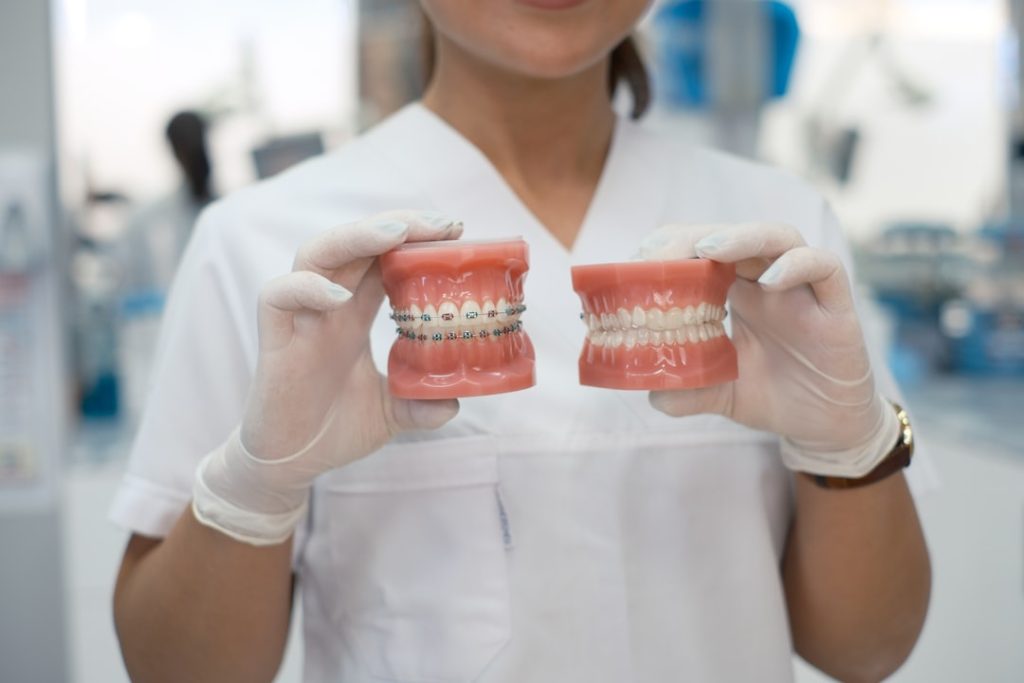
Traditional metal braces remain the most common and effective treatment for complex orthodontic problems. Modern metal braces are smaller and more comfortable than older versions. They work by applying constant, gentle pressure to gradually move teeth into proper position.
Metal braces are typically the most cost-effective option and work well for all types of orthodontic problems. They’re also the most durable option, making them ideal for active children and teenagers.
Clear Aligners and Ceramic Options
Clear aligners, like Invisalign, have become increasingly popular among adults and teenagers. These removable trays gradually move teeth and can be taken out for eating and cleaning. They’re nearly invisible and allow for better oral hygiene during treatment.
Ceramic braces offer a compromise between traditional metal braces and clear aligners. They work like metal braces but use tooth-colored or clear brackets that blend with your teeth. They’re less noticeable than metal braces but more visible than clear aligners.
How to Choose the Best Orthodontist in Hong Kong
Qualifications and Experience
When searching for the best orthodontist in Hong Kong, look for proper credentials and specialized training. Orthodontists complete additional years of education beyond dental school, focusing specifically on moving teeth and correcting bite problems.
Experience matters, especially for complex cases. Ask about the orthodontist’s experience with your specific type of problem and their success rates with different treatment options. The best practitioners will have extensive experience with various treatment methods and can recommend the most appropriate option for your situation.
Technology and Treatment Options
Modern orthodontic practices use advanced technology to plan and monitor treatment. Digital imaging, 3D modeling, and computer-assisted treatment planning can improve results and reduce treatment time. Practices like American Orthodontic Group invest in current technology to provide the most effective care.
Ask potential orthodontists about their available treatment options. The best practitioners offer multiple approaches and can explain the pros and cons of each method for your specific situation.
Consultation and Communication
A good orthodontist will provide a thorough initial consultation, explaining your options clearly and answering all your questions. They should discuss treatment duration, expected results, and costs upfront. Pay attention to how well they communicate and whether they make you feel comfortable.
Frequently Asked Questions
Q: How long does orthodontic treatment typically take? A: Treatment duration varies depending on the complexity of your case and the type of treatment chosen. Most cases require 18 to 24 months, but simple cases might finish in 12 months while complex cases could take 30 months or longer.
Q: Are braces painful? A: You’ll experience some discomfort when braces are first placed and after adjustments, but this usually lasts only a few days. Over-the-counter pain relievers and soft foods can help manage any discomfort.
Q: Can I still play sports with braces? A: Yes, you can continue playing sports with braces. Your orthodontist will recommend a protective mouthguard to prevent injury to your mouth and braces during contact sports.
Q: How much do braces cost in Hong Kong? A: Costs vary depending on the type of treatment and complexity of your case. Many orthodontists offer payment plans to make treatment more affordable. During your consultation, ask for a detailed cost breakdown.
Q: Do I need to avoid certain foods with braces? A: Yes, you should avoid hard, sticky, or chewy foods that could damage your braces. Your orthodontist will provide a complete list of foods to avoid and suggestions for braces-friendly alternatives.
Recognizing when you or your child needs braces is the first step toward achieving a healthy, beautiful smile. Whether you notice crowded teeth, bite problems, or functional issues like difficulty chewing, consulting with the best orthodontist in Hong Kong can help you understand your options and create an effective treatment plan.
Remember that orthodontic treatment is an investment in both oral health and confidence. Modern treatment options make it easier than ever to achieve excellent results while maintaining your lifestyle and appearance preferences. Don’t wait to address orthodontic problems – early intervention often leads to better outcomes and shorter treatment times.
If you’re noticing any of the warning signs discussed in this guide, schedule a consultation with a qualified orthodontist. They can evaluate your specific situation and recommend the most appropriate treatment approach for your needs and goals.