Key Takeaways
- Braces aren’t just for appearance—they address functional problems that can impact your overall health
- Warning signs like crooked teeth, difficulty chewing, and jaw pain might indicate the need for braces
- Most children should have an orthodontic evaluation by age 7
- Adults can benefit from braces too—it’s never too late to improve your smile and dental health
- Modern orthodontic options range from traditional metal braces to nearly invisible alternatives
Are you wondering if those slightly crooked teeth need professional attention? Or perhaps you’ve noticed your child’s teeth coming in at odd angles and aren’t sure if it’s time to see an orthodontist. Making decisions about braces can feel overwhelming, but understanding the signs that indicate orthodontic treatment might be necessary can help you make informed choices about your family’s dental health.
Common Signs That May Indicate the Need for Braces
Orthodontic issues aren’t always obvious. Some problems develop gradually or might seem like minor inconveniences rather than dental concerns. Here are clear indicators that you or your child might benefit from braces:
Visibly Misaligned Teeth
The most obvious sign is teeth that appear crowded, crooked, or protruding. If you notice:
- Teeth that overlap each other
- Gaps between teeth
- Teeth that stick out prominently
- Upper and lower teeth that don’t meet properly
These visual cues often suggest orthodontic intervention might be beneficial. While some misalignment is primarily cosmetic, more severe cases can affect how you speak, eat, and maintain oral hygiene.
Difficulty with Basic Oral Functions
Teeth aren’t just for smiling—they play crucial roles in everyday functions. Pay attention if you or your child experience:
- Difficulty biting or chewing food properly
- Food getting trapped between certain teeth regularly
- Frequent biting of the inner cheeks or tongue
- Speech difficulties or developing a lisp
“When patients come to The American Orthodontic Group with functional concerns like difficulty chewing or speech issues, we often find that addressing the underlying alignment problems can significantly improve quality of life,” explains Dr. Rebecca Chen, an experienced orthodontist.
Jaw Pain or Discomfort
Misaligned teeth often lead to jaw problems that can cause:
- Clicking or popping sounds when opening or closing the mouth
- Pain when chewing or speaking
- Persistent jaw pain or discomfort
- Uneven wear on tooth surfaces
These symptoms might indicate temporomandibular joint (TMJ) issues, which can sometimes be addressed through orthodontic treatment.
When Should Children Have Their First Orthodontic Evaluation?
The American Association of Orthodontists recommends children have their first orthodontic evaluation by age 7. This might seem young, but there are good reasons for early assessment:
Early Intervention Benefits
At this age:
- Baby teeth are beginning to fall out
- Permanent teeth are starting to come in
- Jaw growth is still active and malleable
- Some problems are easier to correct before they fully develop
Early evaluation doesn’t necessarily mean immediate treatment. Often, orthodontists like those at The American Orthodontic Group will monitor your child’s development and recommend the optimal time for treatment if needed.
Common Childhood Orthodontic Issues
Several conditions in children might indicate the need for orthodontic attention:
- Thumb-sucking past age 5: This habit can push teeth outward and affect jaw development
- Early or late loss of baby teeth: Losing teeth too soon or hanging onto them too long can affect how permanent teeth come in
- Mouth breathing: This can alter facial development and tooth positioning
- Genetic factors: If you or your spouse needed braces, your children might too
Two-Phase Treatment Approach
For some children, orthodontists recommend a two-phase approach:
Phase One (Early Treatment): Usually between ages 7-10, focusing on jaw development and making room for permanent teeth.
Phase Two: Begins when most or all permanent teeth have erupted, typically during adolescence, and often involves comprehensive braces treatment.
This approach isn’t necessary for all children but can be beneficial for addressing certain complex issues.
Adult Braces: It’s Never Too Late
Many adults hesitate to get braces, thinking they’ve missed their opportunity for orthodontic treatment. However, approximately one in five orthodontic patients today are adults.
Benefits of Adult Orthodontic Treatment
- Improved dental health: Straight teeth are easier to clean, reducing risk of decay and gum disease
- Better function: Correcting alignment can improve chewing and reduce abnormal wear
- Enhanced appearance: A confident smile can have social and professional benefits
- Relief from TMJ symptoms: Proper alignment can reduce jaw pain and headaches
Adult-Friendly Orthodontic Options
Many adults prefer discreet treatment options, which fortunately are now widely available:
- Clear aligners: Nearly invisible removable trays
- Ceramic braces: Function like traditional braces but blend with tooth color
- Lingual braces: Attached to the back surface of teeth, hidden from view
The American Orthodontic Group offers consultations specifically for adult patients who want to understand their options without feeling out of place in a practice that primarily serves younger patients.
Modern Braces Options
Today’s orthodontic treatments offer more comfort, effectiveness, and aesthetic options than ever before:
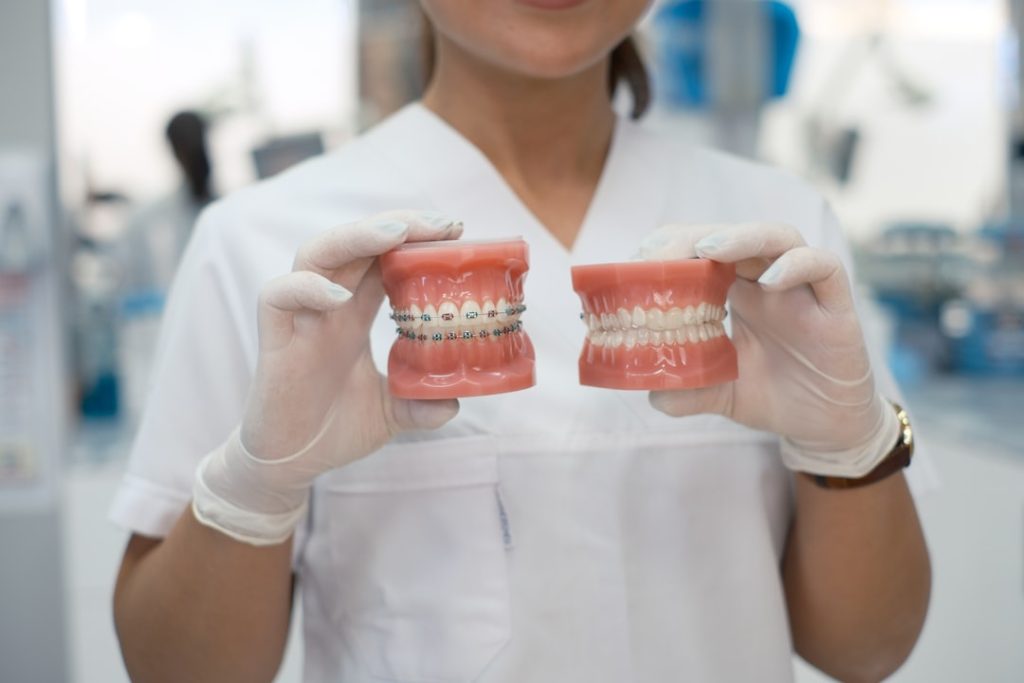
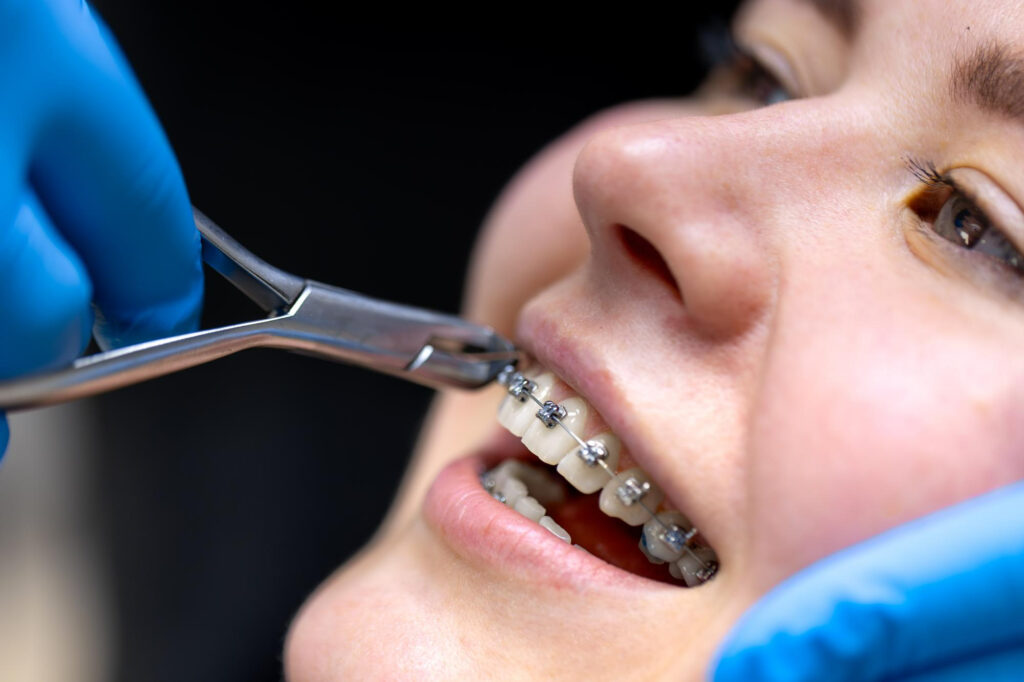
Traditional Metal Braces
Still the most common type of braces, today’s metal braces are:
- Smaller and less noticeable than in previous decades
- Often customizable with colored bands for younger patients
- Highly effective for complex alignment issues
- Typically the most affordable option
Clear and Ceramic Options
For those concerned about appearance:
- Clear braces use transparent or tooth-colored brackets
- Ceramic braces blend with natural tooth color
- Both options function similarly to metal braces but are less noticeable
Clear Aligner Therapy
Systems like Invisalign offer:
- Nearly invisible treatment
- Removable aligners for eating and cleaning
- No dietary restrictions
- Often fewer in-office visits
Lingual Braces
These specialized braces offer:
- Complete invisibility from the front
- Custom-made brackets for each tooth
- Effective treatment without visible hardware
The Financial Aspect: Making Braces Affordable
Cost is often a major consideration when deciding about orthodontic treatment. Understanding payment options can make the decision easier:
- Insurance coverage: Many dental insurance plans cover a portion of orthodontic treatment, especially for patients under 18
- Flexible spending accounts (FSAs): Pre-tax dollars can be used for orthodontic treatment
- Payment plans: Most orthodontic practices, including The American Orthodontic Group, offer monthly payment options
- Care Credit: Healthcare-specific credit options might be available
- Early intervention: Sometimes addressing issues early can reduce overall treatment costs
The investment in orthodontic treatment often pays dividends in reduced dental problems later in life, potentially saving money long-term.
FAQs About Braces
How long does orthodontic treatment typically last?
Most patients wear braces for 18-24 months, though this varies widely depending on the complexity of the case. Some minor corrections might take just 6-12 months, while more complex cases could require up to 3 years of treatment.
Do braces hurt?
There is typically some discomfort when braces are first placed and after adjustments, but this usually subsides within a few days. Over-the-counter pain relievers and orthodontic wax can help manage any discomfort.
Can I play sports with braces?
Yes, but a mouthguard specifically designed for braces is recommended to protect both your orthodontic appliances and your mouth during contact sports.
How do I keep my teeth clean with braces?
Maintaining good oral hygiene with braces requires special attention. Brush after every meal using a soft-bristled toothbrush, floss daily using floss threaders or water flossers, and consider adding an antiseptic mouthwash to your routine.
Will I need to wear a retainer after braces?
Yes, retainers are essential after braces to maintain your new smile. Initially, you’ll likely wear them full-time, gradually transitioning to nighttime wear only. Some patients need permanent retainers to prevent teeth from shifting back.
Deciding whether you or your child needs braces involves weighing various factors: dental health concerns, aesthetic preferences, financial considerations, and timing. The best approach is to consult with a qualified orthodontist who can provide personalized recommendations based on a thorough examination.
Remember that orthodontic treatment is an investment in long-term health and well-being—not just a cosmetic improvement. The American Orthodontic Group and other reputable orthodontic practices offer comprehensive evaluations that can help you understand your specific needs and options.
Whether you’re a parent concerned about your child’s developing smile or an adult who’s always wanted straighter teeth, modern orthodontics offers effective, comfortable, and often discreet solutions that can transform your smile and improve your oral health for decades to come.