Have you ever wondered why some people have naturally straight teeth while others require orthodontic treatment? The answer lies largely in genetics. While environmental factors like thumb-sucking and jaw development also play a role, your genetic makeup is a significant determinant of your dental alignment. In this post, The American Orthodontic Group explores the fascinating connection between genetics and crooked teeth and what you can do to achieve a healthy smile.
How Genetics Influence Dental Alignment
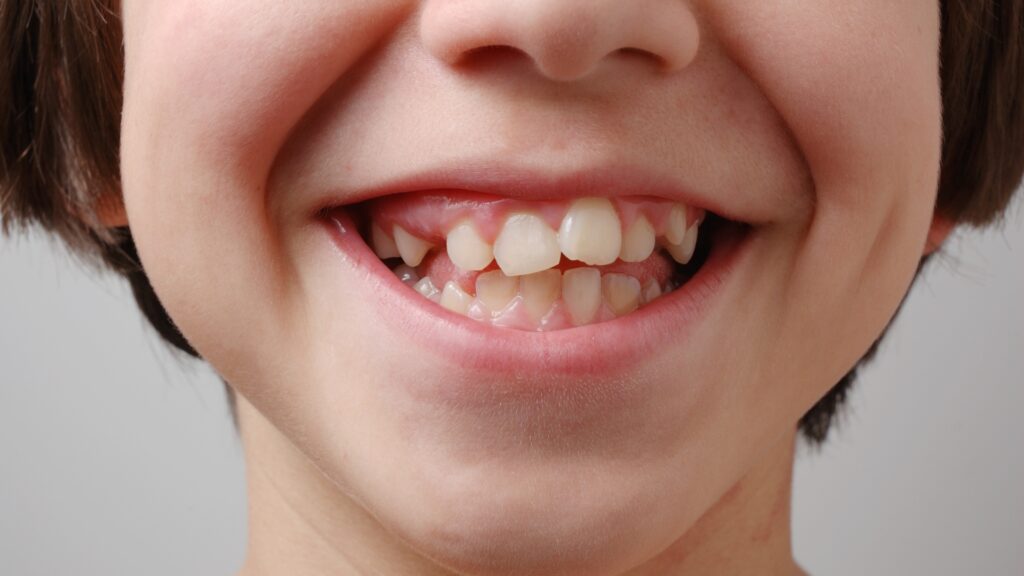
Your genes play a crucial role in shaping the size, structure, and alignment of your teeth and jaw. If your parents had crooked teeth or needed braces, there’s a good chance you might, too. Here are a few ways genetics impact dental development:
- Jaw Size & Shape: The size of your jaw is inherited from your parents. If you have a small jaw and large teeth, overcrowding can occur, leading to misalignment.
- Tooth Size & Number: Some people are born with extra teeth (supernumerary teeth) or missing teeth due to genetic factors. Both can affect how teeth align within the mouth.
- Bite Alignment: Overbites, underbites, and crossbites often have a genetic component and may require orthodontic intervention to correct.
- Tooth Eruption Timing: The timing of when your baby teeth fall out and adult teeth come in can also be influenced by genetics. Delays in this process may lead to misalignment.
Environmental Factors That Affect Dental Alignment
While genetics set the foundation, external factors can further contribute to crooked teeth, including:
- Thumb-Sucking & Pacifier Use: Prolonged thumb-sucking or pacifier use beyond the toddler years can push teeth out of alignment, leading to issues like an open bite.
- Mouth Breathing: Chronic mouth breathing, often due to allergies or nasal obstructions, can influence jaw development and contribute to an improper bite.
- Poor Oral Habits: Tongue thrusting, nail-biting, and excessive use of bottles or sippy cups in childhood can impact tooth positioning.
What You Can Do to Achieve a Healthy Smile
If you suspect genetics may be influencing your dental alignment, don’t worry—there are solutions. The American Orthodontic Group offers expert orthodontic care, including braces and clear aligners, to help patients achieve straighter, healthier smiles. Here’s what you can do:
- Early Orthodontic Evaluations: The American Association of Orthodontists recommends children have an orthodontic evaluation by age seven. Early detection can help prevent more severe misalignments.
- Maintain Good Oral Hygiene: Brushing, flossing, and regular dental checkups can help prevent additional complications related to misaligned teeth.
- Consider Orthodontic Treatment: If misalignment is affecting your bite or confidence, orthodontic solutions like braces or Invisalign can help straighten your teeth.
While genetics play a major role in determining dental alignment, other factors also contribute to crooked teeth. Whether your misalignment is hereditary or influenced by environmental habits, The American Orthodontic Group is here to help you achieve a straighter, healthier smile. Schedule a consultation today to explore your treatment options and take the first step toward better dental health!